Sign Up

- Technical website audit;
- Generating regular reports;
- Searching and analyzing backlinks;
- Checking and fixing broken links;
- Monitoring website rankings in SERPs for various queries, etc.
At the same time, SEO professionals still employ manual link building, even though it requires more time and effort. In this article, we will discuss which SEO tasks should be handled manually and which should be delegated to SEO software tools. Also, we will point to the most effective manual backlink techniques that will improve your website’s link profile.

How Backlinks Became an Important Asset for Website Promotion
The launch of Google’s search engine in 1998 ushered in a new era of website ranking. The new system focused on the authority of websites, determined by their backlinks. This was the name given to hyperlinks leading to a specific website from other sites.
Over the past decades, SEO specialists have seemingly learned everything about link building and boosting website rankings with backlinks. However, their search for the best approaches and techniques for link building continues, as search engine algorithms are constantly changing.
New rules present new challenges, but the effectiveness of manual link building is confirmed with each new update of search engine ranking principles. Therefore, if you’re committed to long-term and sustainable SEO campaign results, you need to know the basics of building backlinks manually. Using only automated methods can yield faster but less sustainable results. So, if you don’t want to waste time launching new websites after Google’s penalties, master manual link building strategies. They will give you greater control over your website’s link profile and confidence in the SEO results you achieve.
Manual vs. Automated Link Building: Pros and Cons
While the war between humans and robots is still a fantasy, the competition between manual and automated work has affected many industries.
It may seem strange to a novice SEO specialist that experienced professionals spend so much of their time selecting donor sites and negotiating with their owners for backlink placement. Why do this manual work if the process of obtaining backlinks can be automated? In this case, specialized SEO software will perform virtually all the tasks necessary for a link-building campaign:
- Create keyword-rich content with integration of backlinks and popular queries.
- Register on various websites, forums, directories, social media, etc.
- Publish content in the form of articles, comments, messages, etc.
- Generate data-rich analytical reports, etc.

But if you completely delegate these tasks to link-building software, you will run into a host of troubles:
- Unnatural or spammy links. Google evaluates the relevance of backlinks both to the content they’re placed in and to the website’s general theme. Furthermore, the creation of a large number of similar backlinks in a short period is perceived as spam. While irrelevant links may simply lower your website’s ranking, spammy links will result in more serious penalties.
- Placing links on low-authority web resources. Websites with high DA (Domain Authority) care about their reputation, preventing the posting of content with low or questionable quality. Therefore, it is highly likely that with automated link building, backlinks will be posted on platforms with low DA. Since the authority of the donor site is significant in the ranking of the acceptor site, you will not receive a substantial boost to your website’s ranking. Moreover, if backlinks are placed on websites penalized by Google, your website’s ranking will decrease.
- Indifference of the target audience. Link-building campaigns are conducted not only to improve a link profile but also to attract referral traffic. But for users to click a backlink and visit your site, the backlink content must be valuable and compelling. Generating repetitive texts will not invoke audience interest or encourage them to click the link.
- Damage to brand reputation. Posting many identical links leads to negative brand associations. Not only search engines but also internet users perceive this as spam. This means they begin to suspect the brand of fraud, even if its owners run a legitimate business. As a result, instead of attracting a wider target audience, it will end up with suspicion. The best option in this case is rebranding and changing the compromised website and domain.

Advantages of Manual Outreach Link Building
All the abovementioned disadvantages of automated link building are fully offset by the capabilities of manual link building:
- Full control over the selection of donor websites. A human can easily assess a publisher’s relevance to the website’s thematic niche, even if they’re not an SEO expert. Therefore, with manual link building, unnatural backlink placement is impossible.
- No spammy links. Since you have complete control over manual backlinks, you can determine the timing and frequency of their appearance. You can also ensure that your content doesn’t contain spammy anchors.
- Effective negotiations with publishers. Unlike bots, you can convince webmasters of reputable websites to publish your articles with backlinks. You may need to optimize your content to their requirements, add infographics, original visuals, or something else. But even one manual link from a reputable website will give you more benefits than a dozen automated links on low-quality resources.
- Attracting a target audience. If you invest your resources in creating high-quality content, you will experience a significant increase in potential buyers. Find topics that are poorly covered by competitors in your niche and offer valuable content. In this case, a manual link-building campaign will increase both organic and referral traffic.
- Improving brand reputation. High-quality and relevant backlinks placed on authoritative resources increase brand trust. In this case, the excellent reputation of the donor website enhances your brand’s importance to both the target audience and search engines.

How to Build Backlinks Manually
If you have chosen high-quality link building, it’s already a significant contribution to your website’s development. This will lay a solid foundation for its promotion. Search engines will perceive it as reliable and worthy of displaying to users. So, to create backlinks manually, follow this algorithm:
- Identify your target audience, their interests, key search queries, and popular platforms they may visit.
- Create a list of websites where you would like to publish your backlinked content.
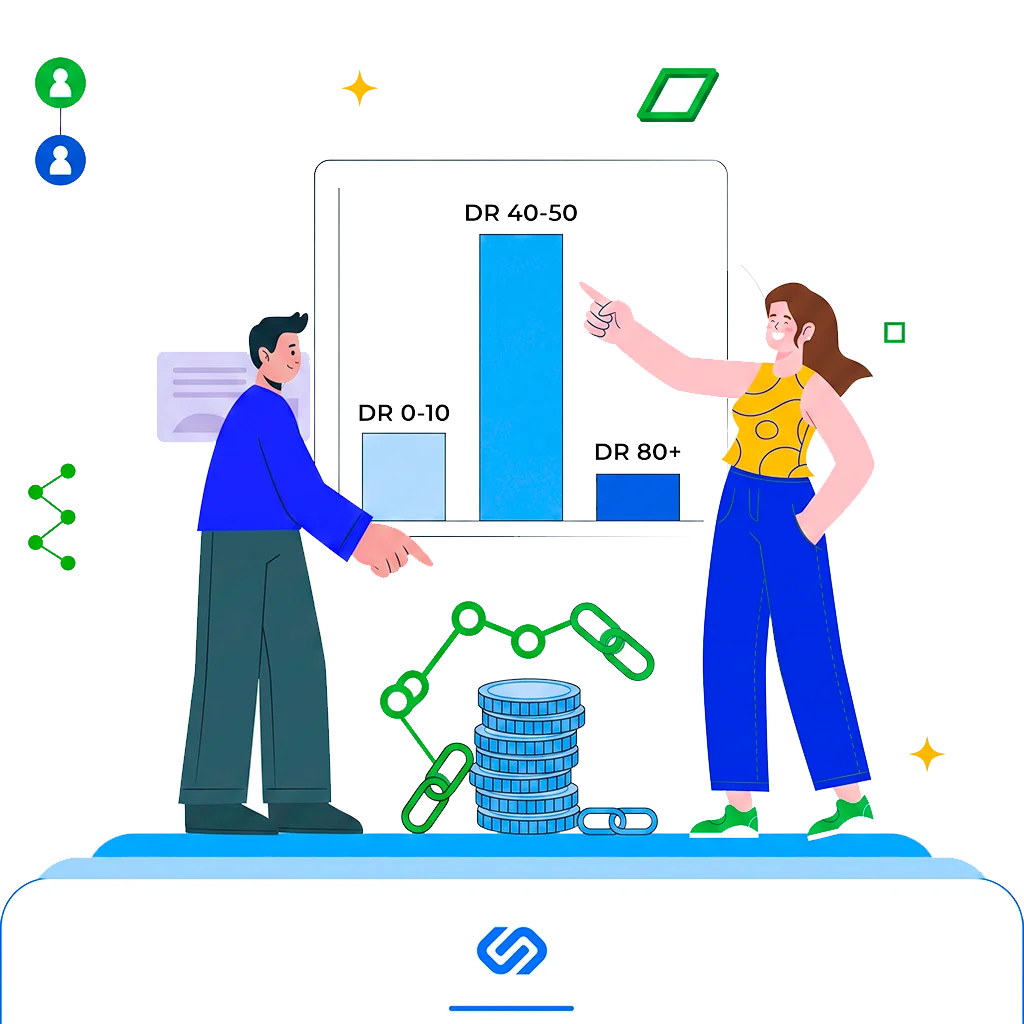
- Compare them using key SEO metrics such as Domain Authority (DA), organic and paid traffic, quantity and quality of backlinks, spam levels, freedom from search engine penalties, etc.
- Find out which of these websites accept guest posts. Narrow your list to only these websites. Negotiating with platforms that do not support guest posting will take a lot of energy and is unlikely to yield positive results.
- Find out the requirements of the selected sites for published content. Strictly follow their instructions when writing your article to ensure fruitful collaboration with donor sites from the start.
- Create engaging content that includes backlinks and keywords popular in your niche.
- Negotiate the publication of the text and send it to the publisher for review.
- Make corrections to the article if necessary and wait for publication.
- Monitor changes in your website ranking and traffic after placing the backlink.
- Analyze the results and adjust your future link-building campaign.
Popular Manual Backlink Techniques
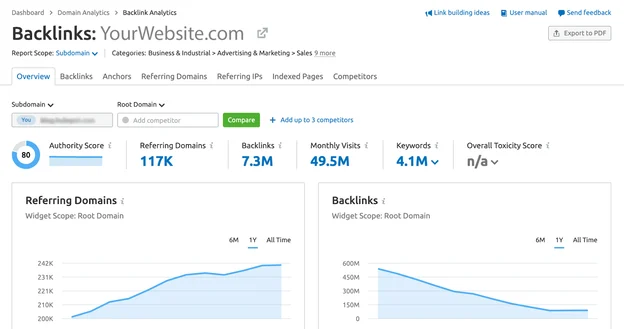
Guest posting isn’t the only backlink technique that can help you promote your website. While it’s the most important for improving your website’s ranking, others shouldn’t be ignored as well. They will also contribute significantly to the development of your website and its reputation among users and search engines. Manual backlink techniques include the following, except for a comprehensive website audit to find broken links. This technique combines both manual and automated methods. So, the audit itself is best done using SEO software to identify all the broken links.
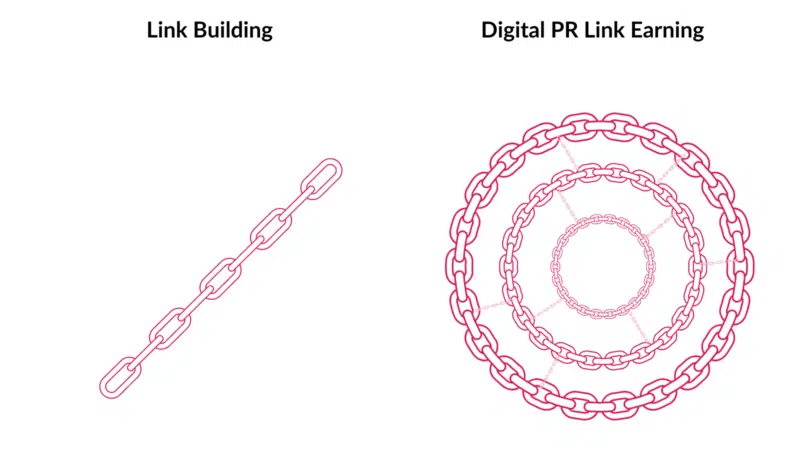
- Digital PR: Focus on creating news content that other platforms will cite even without your request. This can bring you a ton of free backlinks.
- Broken Link Building: Find broken links (usually 404 error pages) that don’t lead users to the expected content. Contact the website owner and offer to replace them with backlinks to your website. In this case, you will need to post relevant content so users don’t feel cheated.
- Managing Unlinked Brand Mentions: Look for mentions of your brand that aren’t supported by hyperlinks. Negotiate with website owners about adding a backlink to your website.
- Leverage the Power of HARO (Help a Reporter Out): Many journalists seek expert help in writing articles. Register at the HARO platform as a Source to earn free backlinks for helpful answers to journalists’ questions.
- Guest Blogging: This is the most common and effective manual link-building technique. You will have a wide selection of blogs for placing backlinks and topics for creating valuable content that will appeal to your target audience.
The Bottom Line
So, now you know how to create backlinks manually and how many tasks are required to achieve significant results. Try following this algorithm to get higher-quality backlinks. With their help, you will improve your website’s reputation and ranking and achieve other long-term SEO benefits. However, if this approach takes too much of your efforts, entrust manual link building to experienced SEO specialists. This way, you will achieve excellent results in promoting your website and free up your time for other business tasks.
 ChatGPT
 Perplexity
 Claude
 Google AI Mode
 Grok
Grok