Sign Up


For leaders responsible for backlink investments, directories offer predictable benefits with low operational risk. New domains index faster. Local businesses appear more consistently across map results. Industry-specific companies gain visibility in platforms that potential clients already use. When applied correctly, web directory link building reduces uncertainty and supports larger SEO strategies.
Directory Link Building Definition
Directory link building is the process of submitting accurate business information to trusted online catalogs to strengthen brand signals, improve discoverability, and establish a verified presence across the web.
These platforms contribute consistent name, address, phone (NAP) data, citation trust, and enhanced visibility for branded searches. They are not link farms. They are structured environments where companies can control their foundational identity and guide search engines toward correct business information.
When Directory Links Matter and When They Don’t
When directory backlinks matter:
- New websites that need early citations to confirm legitimacy and speed up indexing.
- Local businesses that depend on consistent profiles to appear in map results.
- Companies in regulated or trust-sensitive industries that benefit from listings in verified sector directories.
- Brands building or repairing their foundational online presence before larger link acquisition campaigns.
When those links deliver little value:
- Large, established brands with strong authority and stable search visibility.
- Websites with no local intent or global audiences, where local citations offer no contextual relevance.
- Companies that already have a complete and consistent citation footprint across major platforms.
When directory backlink submission can create harm:
- Low-quality platforms with no moderation or editorial review.
- Automated submission services that create noise instead of trust signals.
- Lists not indexed by search engines.
- Catalogs disguised as PBN assets with manipulative link structures.
Five Practical Tactics with Examples
Here are five detailed techniques used by strong SEO teams to extract real value. These approaches focus on results, reduce risk, and help companies maintain a stable presence across the web. They reflect how agencies treat link building directories inside broader acquisition workflows.
Claim and Optimize High-Authority Brand Profiles
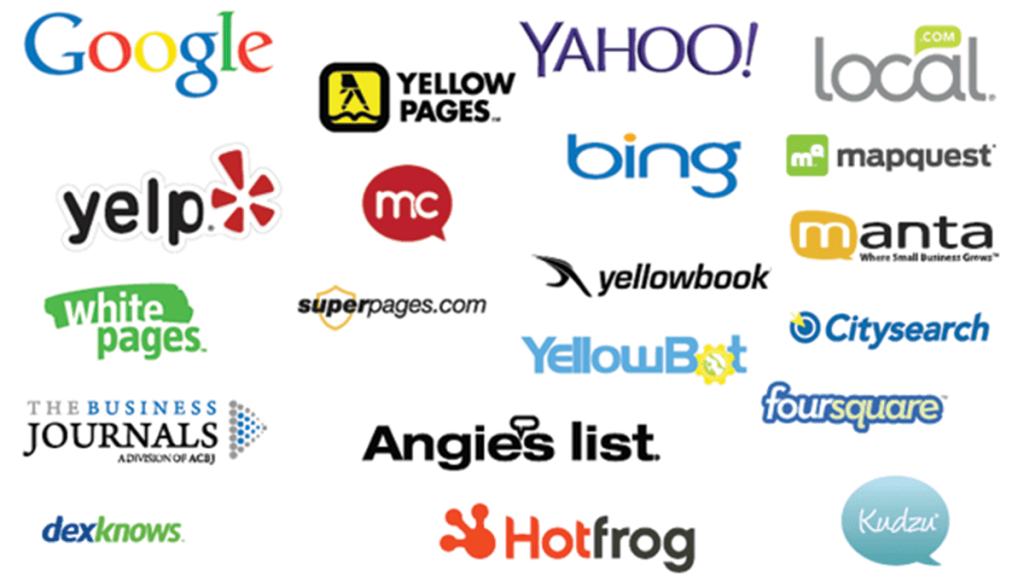
High-authority directories act as primary points of validation. These are platforms that customers actually visit and that search engines consider trustworthy. They hold accurate business data, structured categories, and signals that confirm identity. These platforms create the most valuable directory backlinks because they anchor your public footprint.
Example: A software company claims and optimizes its profiles on G2, Capterra, and Crunchbase. Each profile uses consistent data, a short description, and updated visuals.
Expected Outcome: Faster indexing, improved branded CTR, and increased trust during early discovery stages.
Use Industry-Specific Directories Instead of Generic Lists
Industry backlink directories offer stronger relevance than general catalogs. They attract real users and often carry editorial review processes that preserve quality. These listings help companies appear in places where their actual audience looks for vendors. Relevance makes these platforms safer and more useful than broad lists with no clear focus.
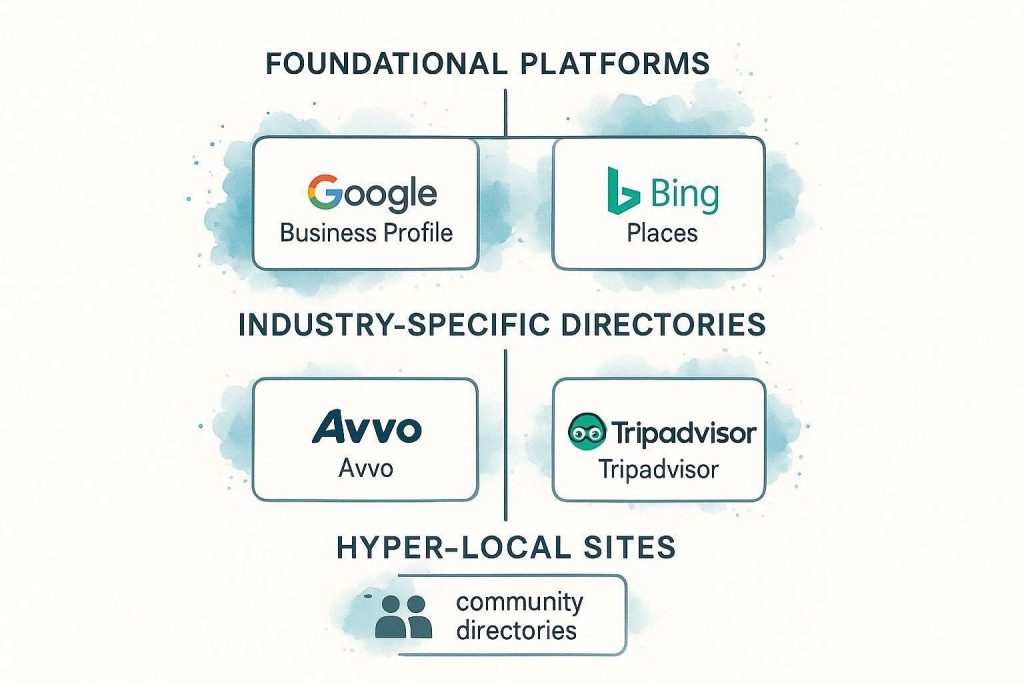
Example: A marketing agency completes listings on Clutch, DesignRush, and local creative directories. Each platform aligns with the company’s services and target clients.
Expected Outcome: More qualified referral traffic, improved credibility during vendor evaluation, and stronger alignment between brand positioning and search signals.
Build a Consistent NAP Layer Across All Listings
Consistency in business name, address, and phone number is one of the strongest trust factors. Even minor differences in backlink directories, such as abbreviations or formatting, create conflicting data. Search engines downrank businesses with inconsistent citations because the signals appear unreliable. Clean, unified NAP data protects visibility and stabilizes local presence.
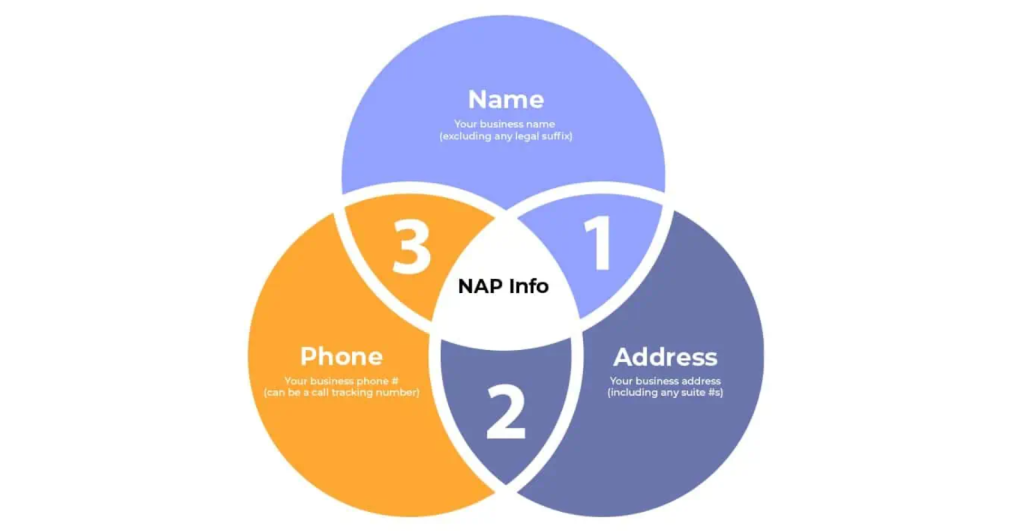
Example: A medical clinic updates all profiles to match a single standardized format. The name, suite number, and phone number appear identically across every listing, including healthcare-specific catalogs.
Expected Outcome: Steady improvement in map visibility, fewer ranking fluctuations, and stronger local authority.
Prioritize Directories With Real User Traffic
Directories with actual audiences deliver business value beyond SEO. They send referral clicks, assist brand validation, and help potential clients evaluate companies before making contact. Traffic signals also prevent the platform from degrading into a low-quality resource. A directory for backlinks that people actively use is far more valuable than a long list of silent pages.
Example: A restaurant group focuses on maintaining strong profiles. It uses Yelp, OpenTable, Zomato, and local food guides. These platforms bring real customers who search for places to visit.
Expected Outcome: Direct leads, consistent engagement from customers, and measurable business impact through trackable referrals.
Maintain and Update Listings Quarterly
Directories become outdated quickly. Business hours change, services evolve, and new locations open or close. If profiles remain untouched, the information becomes inaccurate or misleading. Regular updates keep listings aligned with reality and strengthen trust for both search engines and customers. This small maintenance step preserves the long-term value of directory link building.
Example: A construction company revisits every directory profile at the start of each quarter. They update photos, hours, service descriptions, and contact details to match current operations.
Expected Outcome: Higher data accuracy across the web, improved consistency in local rankings, and stronger brand perception.
Red Flags: What to Avoid
Directory backlink submission produces the best results when teams avoid common mistakes. Most issues come from treating directories as a volume exercise instead of a quality process.
- Platforms with no moderation or editorial oversight;
- Catalogs unindexed by search engines;
- Sites that resemble PBN networks;
- Submissions that use inconsistent business data;
- Automated bulk tools that generate low-quality listings.
These risks reduce trust signals and introduce noise into the company’s search profile.
Measurement & ROI
Directory performance should be evaluated with business-focused indicators. The metrics that matter are clear and easy to track:
- Referral clicks — show whether real users engage with the platform.
- Branded search growth — reflects stronger visibility and trust signals.
- Local map impressions — indicate improved relevance in location-based results.
- Indexing speed — confirms that the directory footprint is working as intended.
Some indicators should be ignored entirely. Directory domain metrics rarely correlate with real value, and the number of submitted listings means nothing by itself. Quantity does not create outcomes in directory work. Accuracy, relevance, and consistency do.
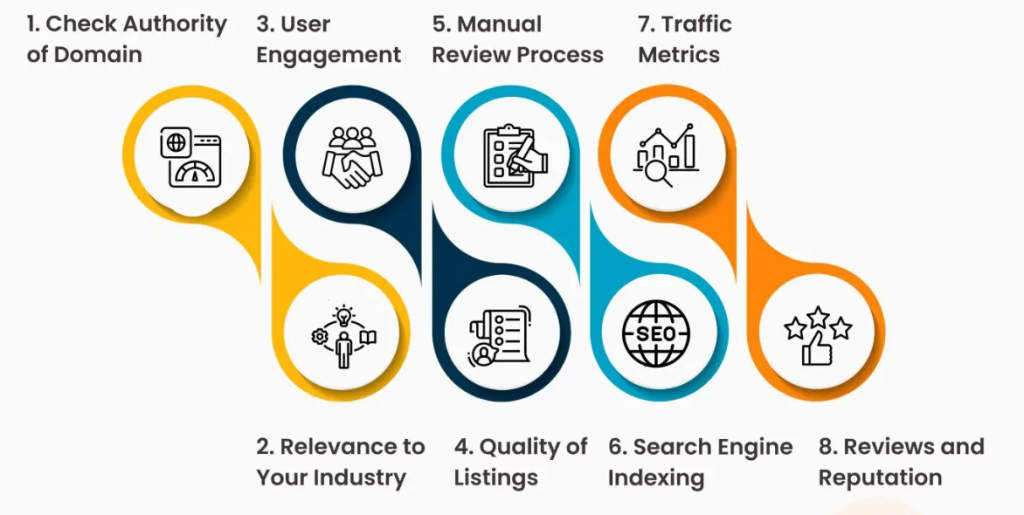
Companies that measure web directory link building correctly can justify the time investment and integrate directories into broader acquisition strategies without overspending.
Conclusion
Directories strengthen trust, support early visibility, and help businesses establish a stable presence across the web. They are not designed to boost authority metrics or replace advanced link acquisition. Their value comes from consistency and relevance.
 ChatGPT
 Perplexity
 Claude
 Google AI Mode
 Grok
Grok