Sign Up

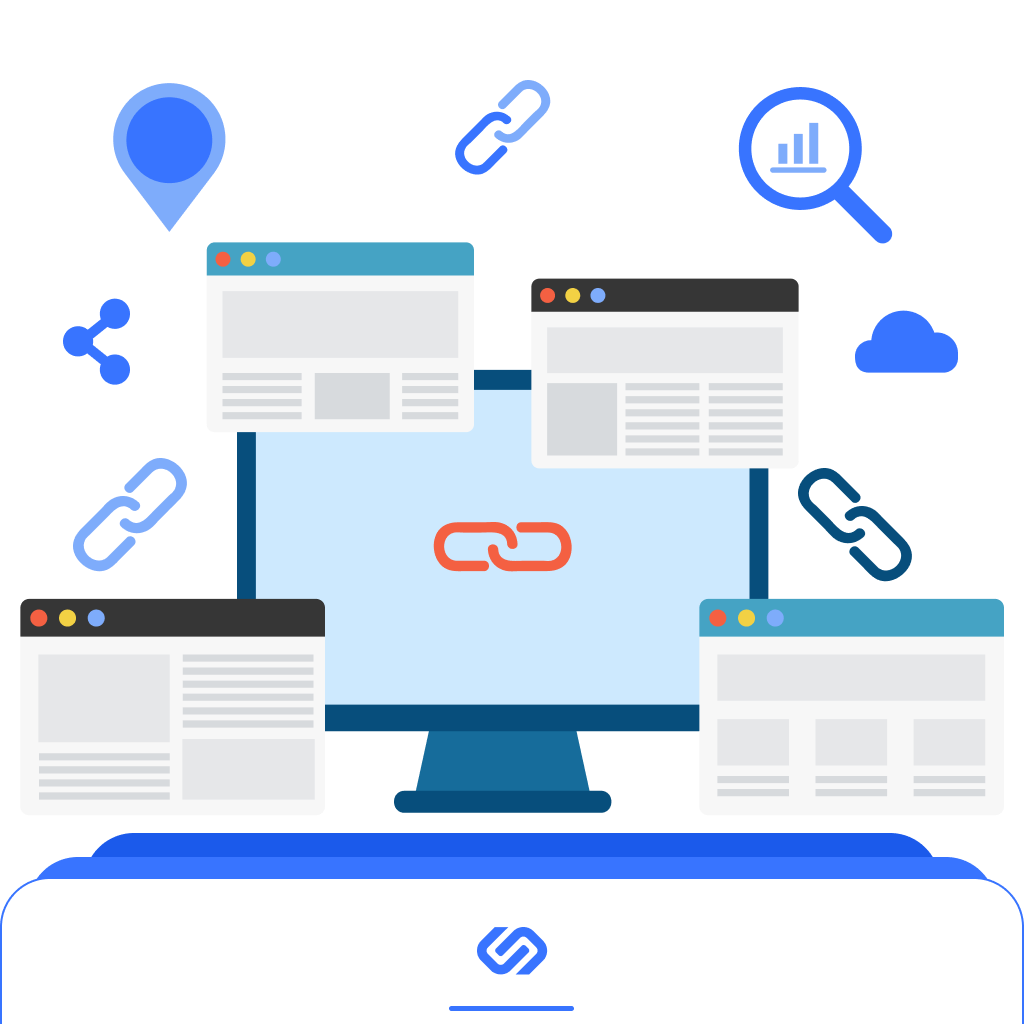
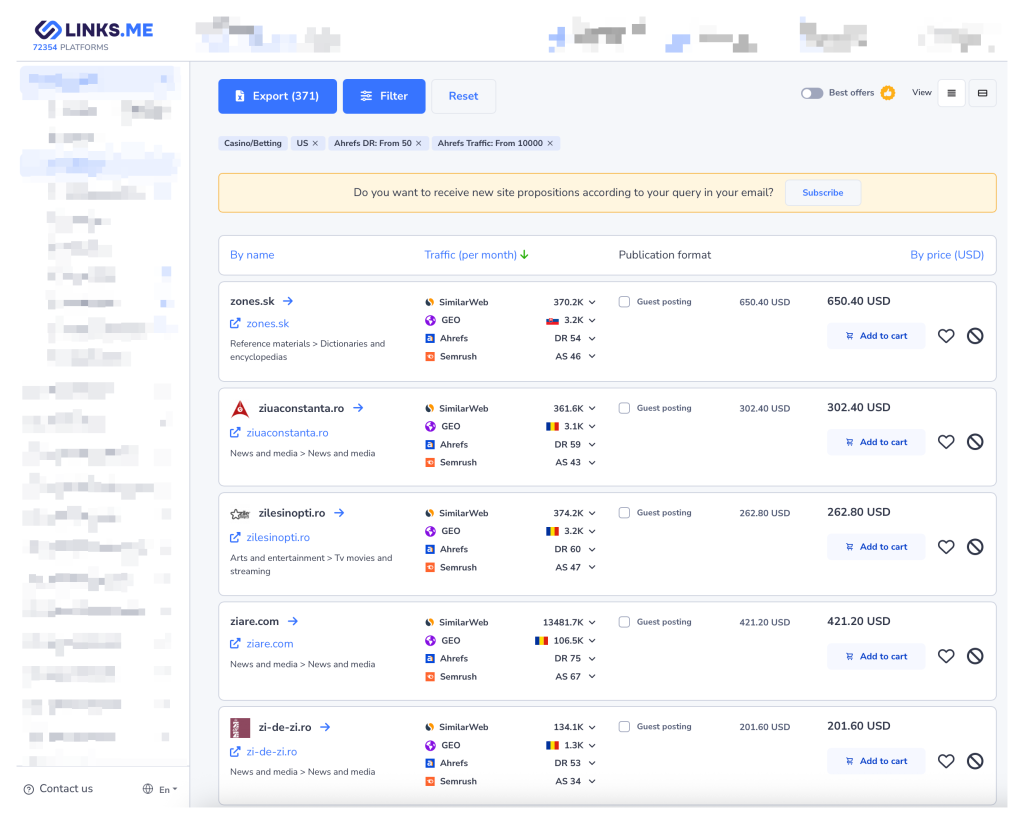
It’s important to understand that buying links on the market costs money: on average $300–600 per link, and even more in competitive niches. So, the desire to find free backlinks for SEO is perfectly reasonable.
“Free” Doesn’t Mean “No Cost”
Yes, you can earn links without paying for placement. However, they’re rarely truly free: you spend time creating materials, conducting outreach (including emails and pitches to editors), and sometimes invest money in tools (such as Ahrefs/Semrush, mention monitoring), as well as content production (copy, design, and research).
The good news is that these investments pay off for a long time. You’re building not just links but also brand awareness — exactly the kind of free organic backlinks that keep working over time.
Where to Start: The Easiest Steps
First, cement your brand’s “presence” where your audience already hangs out. This is quick and doesn’t require advanced skills. Create and polish profiles/posts on platforms like Medium, YouTube, LinkedIn, etc. Don’t expect SEO miracles (these are often nofollow/UGC), but you will get mention-links, referral traffic, and initial branded results in the SERP. Think of this as foundational free link building that sets you up to generate free backlinks later.
Strategies That Actually Work
Directories and Local Citations
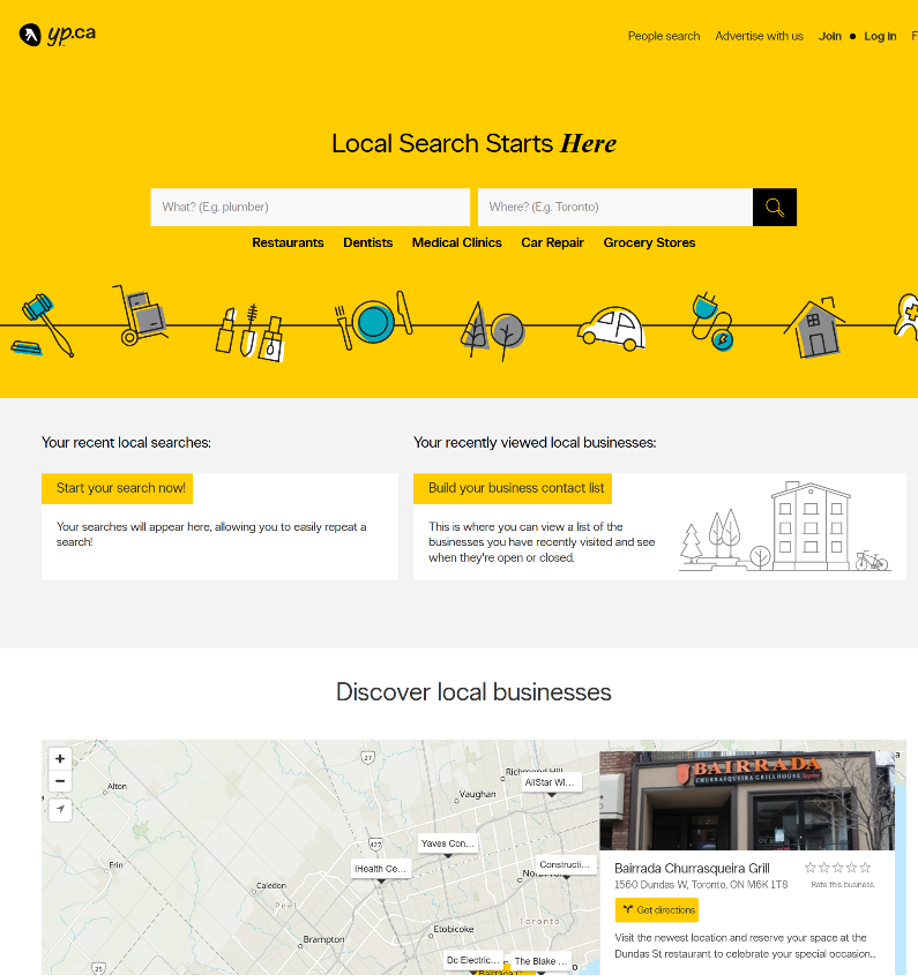
If you have a local business, list your company in industry and city directories. These are profiles with your Name, Address, and Phone (NAP). They help a lot in map search and local queries. The process is simple: find directories, complete the profile, upload photos, and add your website. It’s not the best way to get backlinks free in every niche, but it reliably builds trust and visibility.
Link Exchanges — Carefully and with Relevance
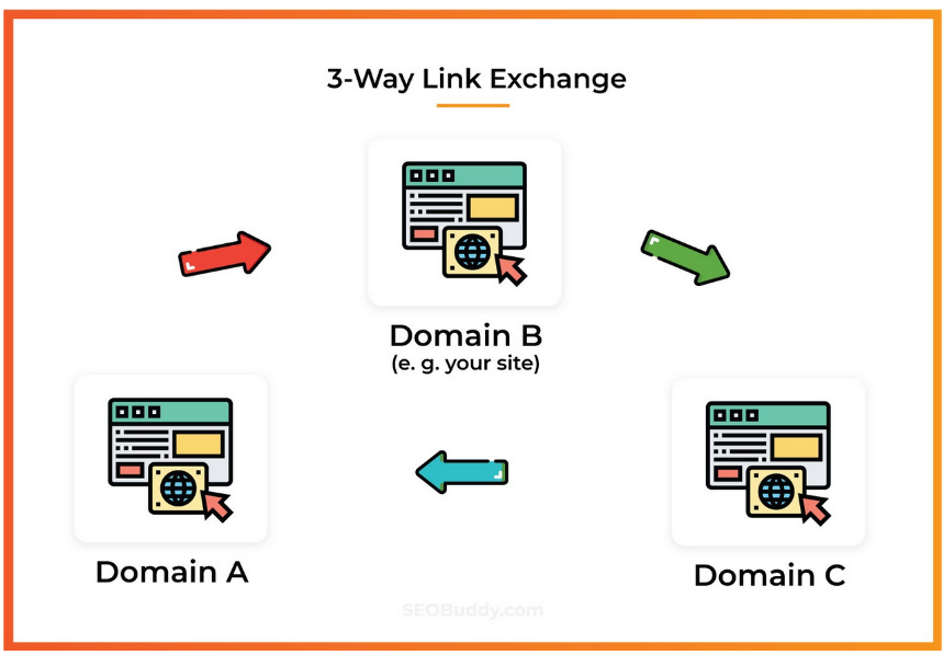
Sometimes, sites agree: “We’ll mention you in a relevant article, and you mention us on yours.” Do this sparingly and naturally: the link should fit the context and genuinely help readers. A more complex format is an ABC exchange, where three sites are involved and the reciprocity isn’t direct. Don’t overuse it — search engines spot schemes. When done right, you might even get free dofollow backlinks from highly relevant partners.
Communities Like Reddit and Quora
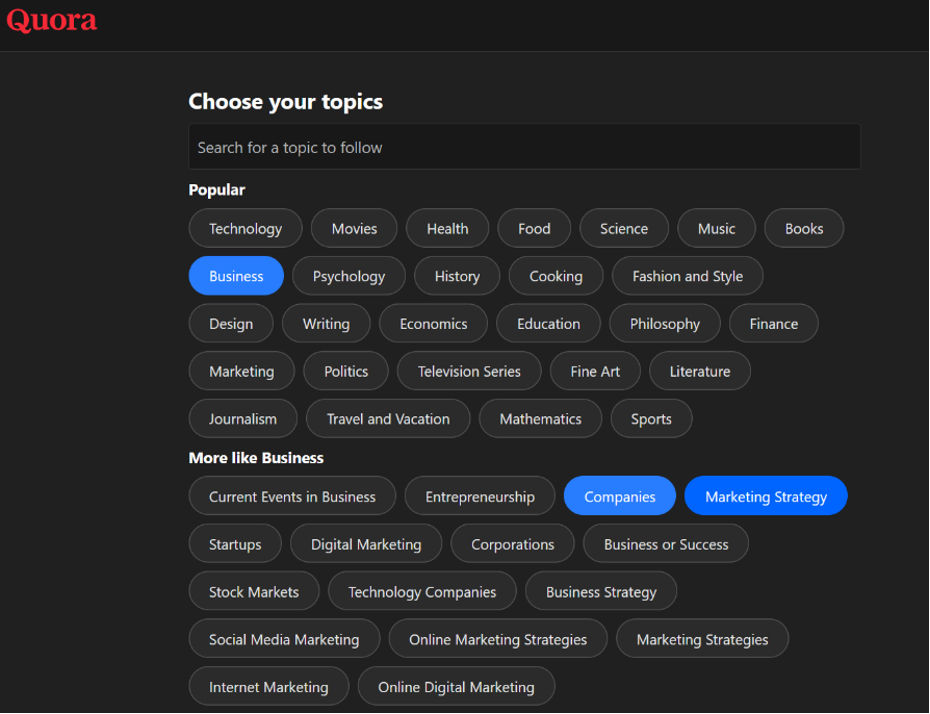
Your audience is there. Join relevant threads/topics, give helpful answers, include screenshots and cases, and occasionally link to your content. If you just spam links, they’ll be removed and your account will be banned. If you provide real value, you’ll get views, clicks, and extra mentions — a practical way to get backlinks for free and generate free backlinks via authentic engagement.
Unlinked Mentions: “Reclaim What You’ve Already Earned”
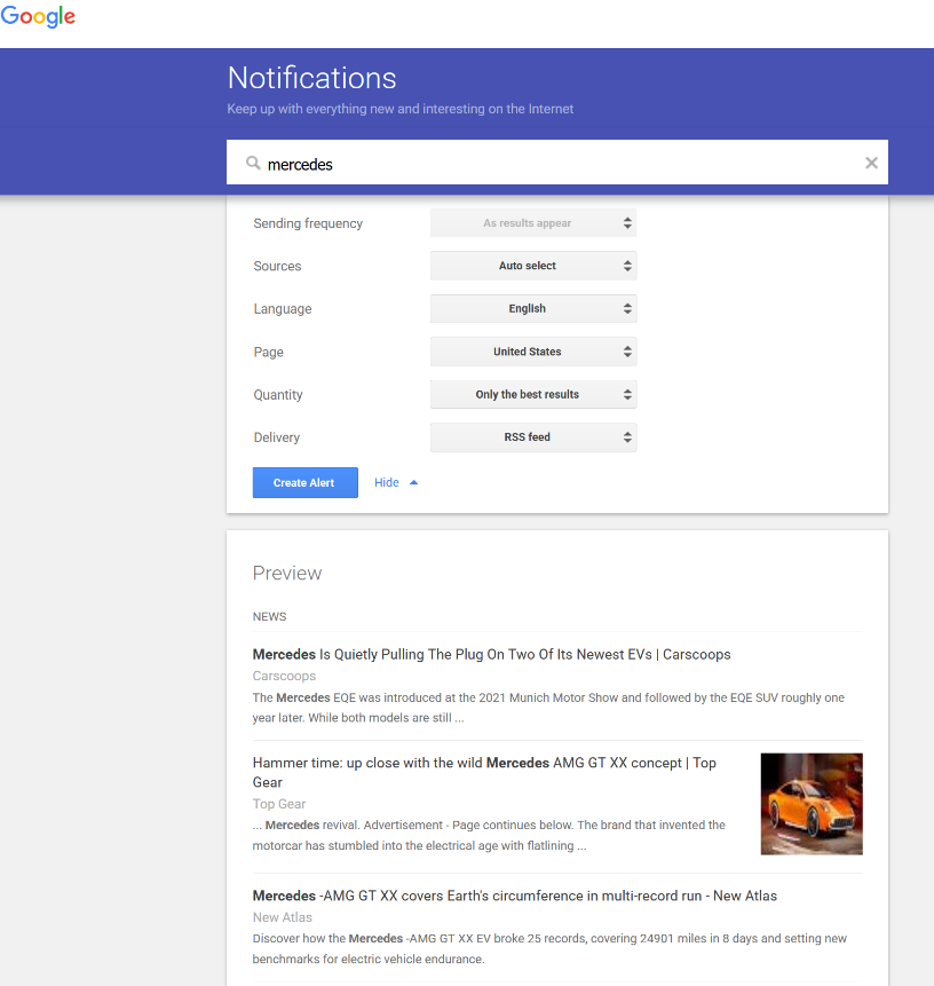
People may have written about your brand without linking. Find such places (Google Alerts, Brand24, Ahrefs/Semrush reports) and send the author one short, polite paragraph:
“Your article mentions our brand. Could you add a link to the source? That way, readers can easily verify the information.”
This is a low-friction way to build backlinks for free — the content already exists; you’re just closing the loop.
Broken and Outdated Links: Help Them — and Earn a Link
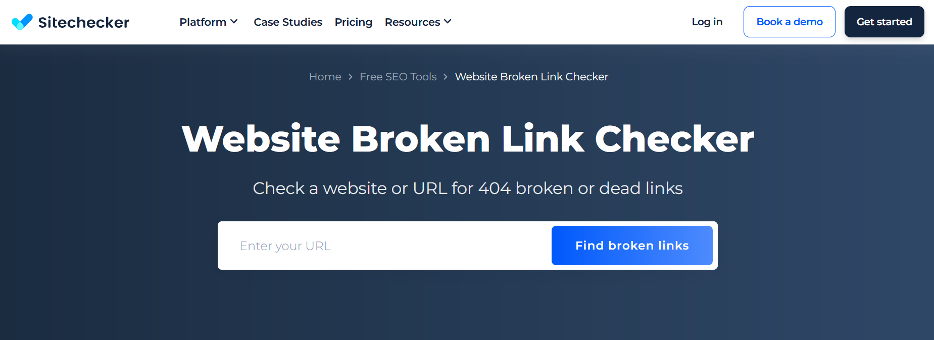
Sites age: pages move, projects shut down, but links remain. Your job is to find such broken or outdated links on relevant articles and offer your up-to-date resource as a replacement. It’s a fair trade: the editor gets a fix, the reader gets value, and you get a link. This is a classic, white-hat play for how to build backlinks for free at scale.
Journalist and Writer Requests
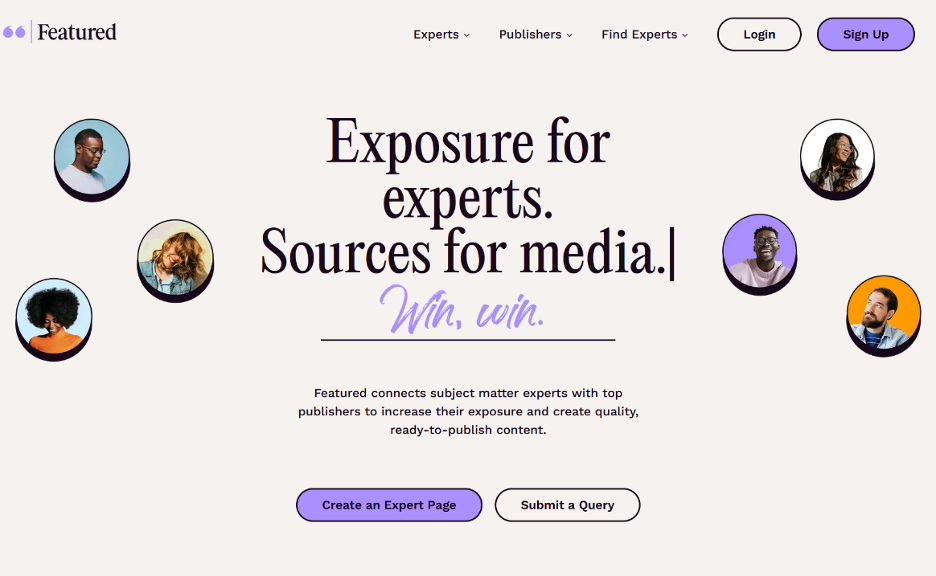
Services like HARO, Featured.com, and Help a B2B Writer connect journalists with experts. You see topic requests and send a short, high-value comment with a fact or example. If you’re quoted, you usually get a link — an excellent route to get free backlinks to my website from authority publications. Speed and specificity matter: deliver 2–3 strong points and cite a data source.
Guest Posts — “New School”
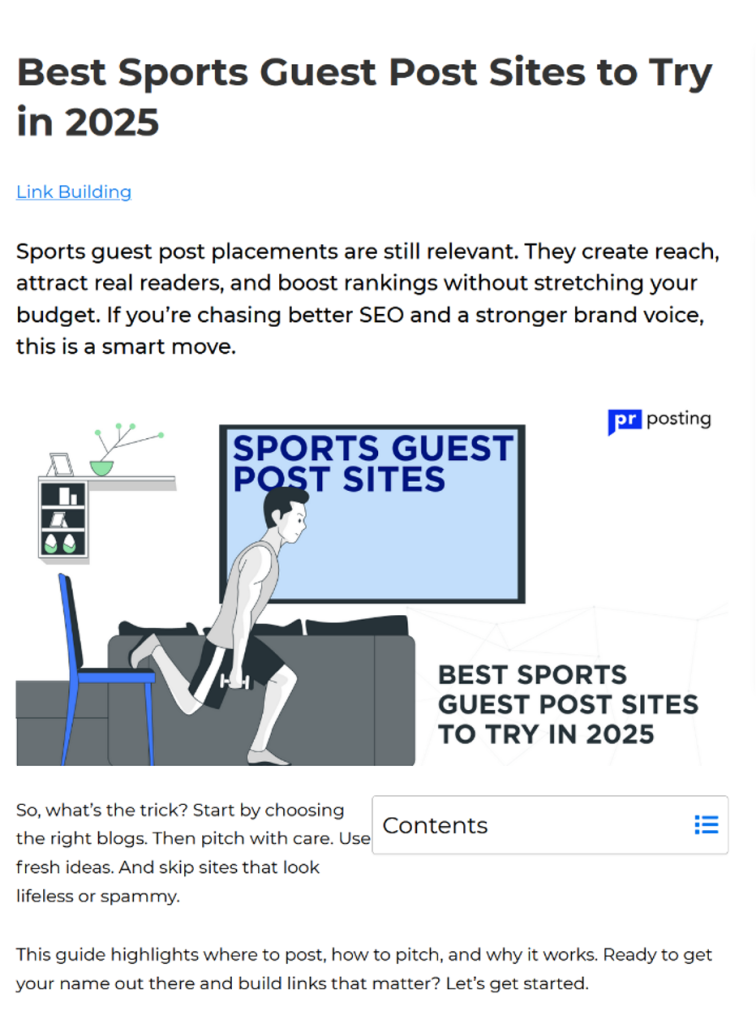
It used to be: “Any site, any text, as long as there’s a dofollow link.” That approach barely works now. Do it right: find publications in your niche with a real audience, and pitch content that solves an actual reader problem. Formats: “How we did X” breakdowns, “Best tools for …” lists, “Alternatives to …”. This is a smart way to create free backlinks for website while adding genuine value.
Linkable Assets
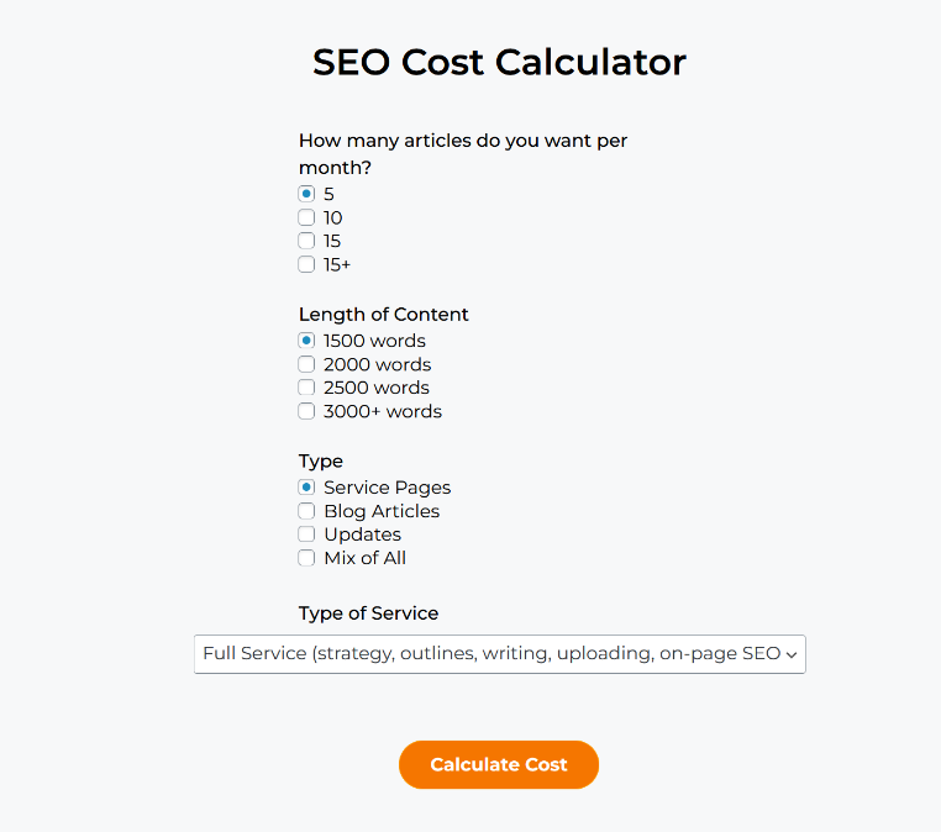
These are things people want to cite without being asked: original research, stat roundups, free tools/calculators, and strong visual cheat sheets. They take longer to make, but they attract links for months or even years — arguably the most defensible method for how to get quality backlinks for free.
Resource Pages
Many blogs and universities maintain “Helpful resources on …” pages. Find the right ones and suggest adding your guide, tool, or list. If you’re thinking, “Backlinks to my site free — is that even possible?” this is where thoughtful, relevant placement shines.
Podcasts and Digital PR
Be a podcast guest, share your expertise, and the episode description will usually include links to your materials. In parallel, run Digital PR — news, studies, infographics for trade media. Together, these efforts can get free backlinks to your website and steadily broaden your brand’s footprint.
How to Find Opportunities Yourself (No Magic)
You can “teach” Google to find exactly what you need. Sample queries:
- Guest posts: inurl:write-for-us your topic or intitle:”guest post” your topic.
- Resource pages: inurl:resources your topic or intitle:”resources” your topic.
- Unlinked mentions: “your brand” -site:yourdomain.com.
- Outdated/broken: “your topic” “page not found” or search for an old competitor name.
Review results, save relevant pages, capture editor contacts, and keep moving. With consistent prospecting, you’ll get free backlinks to your site without resorting to risky tactics.
How to Tell if a Site Is “Quality”
If you don’t have advanced tools, common sense is enough:
- The site is alive, regularly updated, and visible in search for the topic.
- The piece you want a link from is genuinely useful and the kind of place where your resource belongs.
- There isn’t a “dump” of sponsored links around it.
If you do have tools, filter prospects for healthy visibility and topical relevance (people often look at DR/DA and organic traffic, but those are only pointers). This helps you obtain free backlinks for your website that actually drive traffic and improve your online presence.
A Realistic 30-Day Plan
Week 1. Tidy up your site (About page, contacts, a couple of useful posts), set up brand-mention alerts, compile a list of 60-80 relevant sites and resource pages.
Week 2. Build out profiles on key platforms (from above), send the first 15–20 careful emails for unlinked mentions and resource pages, and try 5–10 responses to journalist requests.
Week 3. Publish one linkable asset (e.g., a mini stats roundup or a free template), pitch 10-15 guest posts to niche outlets, and reach out to 5 podcasts.
Week 4. Find broken/outdated links in your niche, send 40-50 emails offering your up-to-date resource, reply to all warm responses, and prep your next asset.
Follow this plan, and you’ll generate free backlinks consistently — not get free backlinks instantly (that language is usually a red flag), but real, durable links that compound over time.
Expectations and Results
Not every email gets a reply — that’s normal. If your messages are personal and on point, you’ll start getting placements from each hundred outreaches. Don’t look only at dofollow/nofollow — consider overall value: clicks, bookmarks, citations, new invites. That’s how you get free backlinks for my website in a way that actually helps your business.
FAQ
Do nofollow/UGC links matter?
Yes. They bring audience, discussion, and new reasons for others to cite you, and sometimes lead to get free dofollow backlinks later via relationship building.
Is link exchange risky?
In small, meaningful doses — no. In “checkbox scheme” form — yes, better avoid it.
When should you pay for links?
Buying and selling links violates search engine guidelines. It’s safer to invest in assets and PR — that’s how to get more backlinks free while growing your reputation.
 ChatGPT
 Perplexity
 Claude
 Google AI Mode
 Grok
Grok