Sign Up


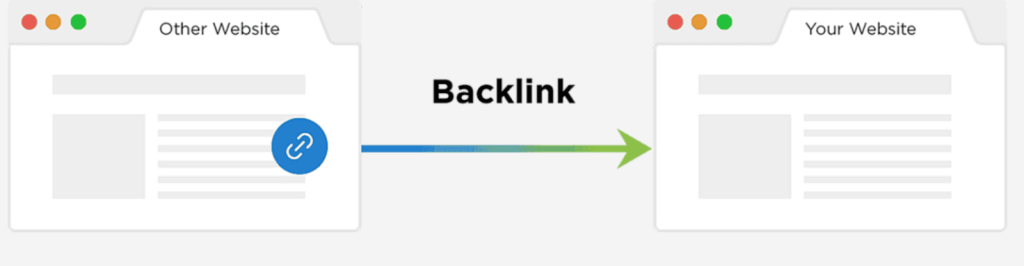
Search engines grant the highest level of trust to links from authoritative websites in a relevant niche. For this reason, how to get relevant backlinks to your website becomes a more important question than simply increasing the amount of various links from different websites.
Why Relevant Backlinks Matter?
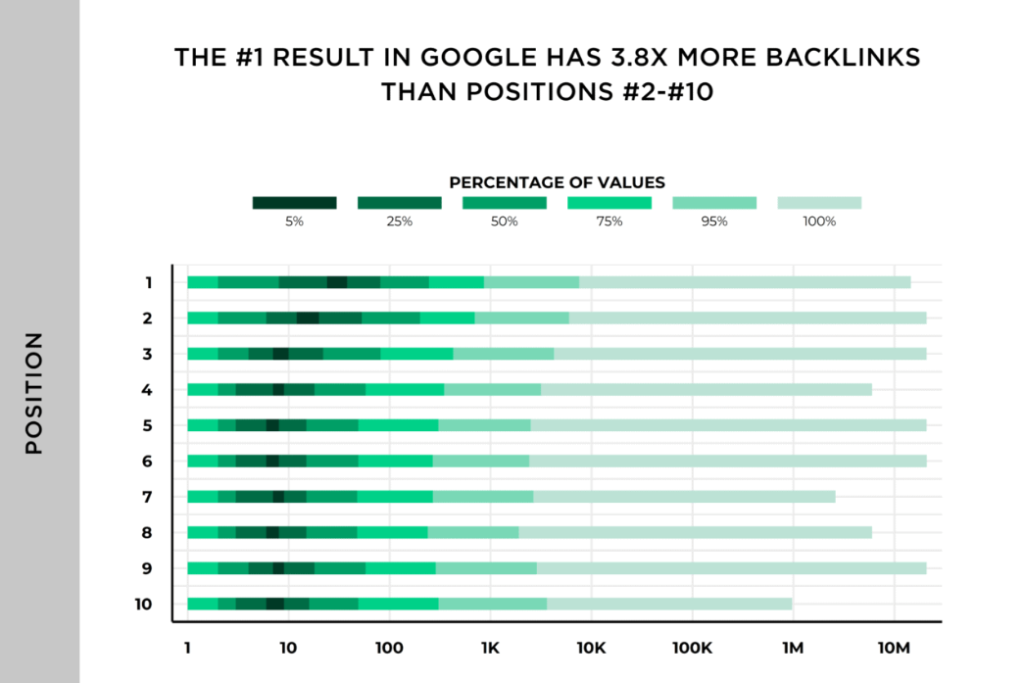
Quality relevant backlinks help website pages reach top positions in search engine results. Statistics show that domains ranking in the TOP-10 have three times as many relevant backlinks as websites on the second or third page of search results. This happens for several reasons:
- The algorithm better matches the page topic to the user’s search intent.
- There is a stronger trust signal toward the content on the website promoted with niche relevant backlinks.
- When a domain receives links from thematic websites, it is recognized not only by algorithms but also by AI systems, increasing the likelihood of appearing in AI-generated snippets that respond to user queries.
Because of these and other factors, random link building becomes useless, replaced by well-designed strategies focused on the core principle: how to get relevant backlinks to your website – meaning how to obtain links from platforms aligned with your topic, industry, user intent, and relevant information needs.
How to Find Relevant Backlinks? Key Strategies
Finding relevant backlinks begins with an in-depth analysis of competitors and their backlink profiles. Your task is to understand where they stand and outperform the results they deliver.
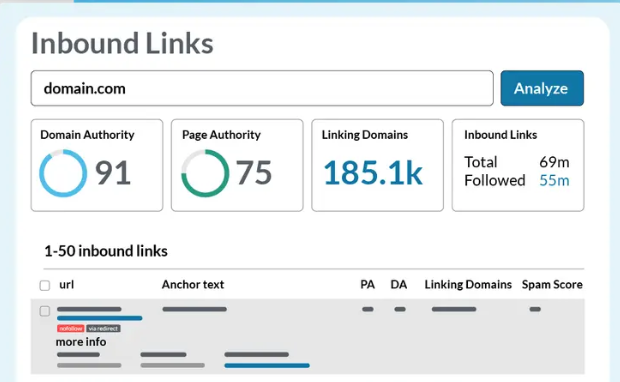
This analysis can be performed using convenient tools:
- Moz is ideal for link-building, providing valuable information and an intuitive workflow.
- Semrush allows a comprehensive evaluation of competitors’ backlink profiles and strategies. Its simple interface makes it accessible even for junior SEO specialists.
- Ahrefs or SERanking are classic SEO tools that provide a clear overview of competitor performance.
The next step is identifying the best platforms for collaboration and obtaining safe relevant backlinks. Start by establishing direct contact with potential partners.
Search approximately using queries like:
- “Best blog in niche”
- “Top resources on niche”
- “The best of niche”
Reach out to domain owners via email with collaboration proposals: joint research, infographic creation, or at least guest posting opportunities.
Activate the Resources You Already Have
It is possible to get relevant backlinks free: use SEO tools to find all unlinked brand mentions. Contact the owners of those domains and request a dofollow link to your page.
If you previously published outdated guest posts, ask to update the links to better, fresher resources on your website. Do the same with all broken backlinks – request replacement or updates. This has an additional benefit: broken links negatively affect your backlink profile, so fixing them is a complete win-win.
How to Build Relevant Backlinks? A Step-by-Step Guide
Let’s break the entire process down to the smallest details to clearly understand how to create relevant backlinks. This guide is universal and works equally well for any niche.
Create Link-Worthy Content
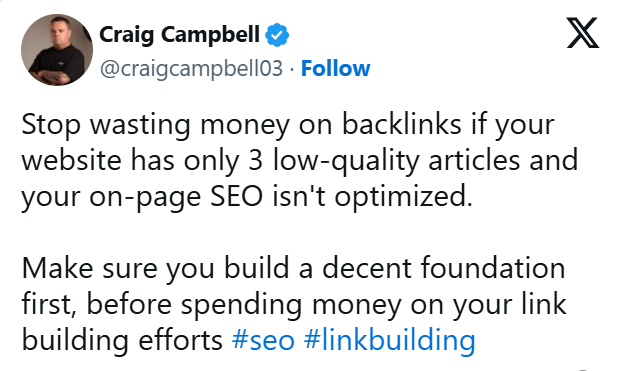
Before you point to a page on your website, ensure it has on-page SEO and is genuinely appealing to readers. So, start with the content. Experts and objective data agree: the following content types work best for earning relevant backlinks:
- Practical, high-value guides. For example, how to use a new device model or how to assemble a piece of furniture step by step.
- Representative infographics that others can cite as a source.
- Research with detailed analysis, clear conclusions, and strong evidence.
- Useful tools with real-world application: text checkers, calculators, planners, currency converters, visualizers, and similar resources.
- Expert reviews on topics closely related to your niche.
- Interviews, webinars, engaging podcasts, and other educational or entertaining formats.
The rule is simple yet demanding: your material must be practical, valuable, or entertaining. This gives it the highest chance of becoming visible and share-worthy, and encourages many platforms to link to it.
Build Meaningful Connections
Relevant link building can become a natural process where every backlink is a genuine recommendation. This happens when you maintain an active presence online: participate in niche events, give interviews, join podcasts, host webinars, and share useful insights on LinkedIn and social media. You should also comment on niche blogs and relevant materials (including your competitors’). Be an active member of the online ecosystem, build relationships, and the result will follow – organic, high-quality, truly helpful backlinks that appear naturally and cost you nothing.
Guest Posting Through Specialized Platforms
Use dedicated guest-posting marketplaces. Most of them allow you to filter domains in your niche, analyze their SEO metrics, and buy relevant backlinks at reasonable rates.
The key factors to check:
- Domain traffic and growth;
- Target region;
- Domain history;
- Presence (or absence) of spammy publications.
A good marketplace can save you a lot of time and help you avoid low-quality domains.
Make HARO and Digital PR Your Tools
Media outlets often reference expert opinions. Become that expert – someone journalists cite when covering topics related to your industry. Also, participate in exhibitions, conferences, and well-covered events. These activities generate mentions, citations, and strong authoritative backlinks.
Strengthen Your Local Presence
You can earn high-quality, relevant backlinks by registering your business on Google My Business, as well as in reputable local directories where potential customers search for you.
Engage with your local community by hosting contests, sponsoring events, and supporting charity initiatives. People will talk about you at the local level, which will not only bring more backlinks but also a motivated audience that buys, leaves reviews, returns, and recommends your services.
Get Relevant Backlinks Without Risks: What You Need to Know
When building a relevant link building strategy, prioritize safety, relevance, and quality. At the same time, avoid black-hat methods and any tactics that may cause more harm than good.
How Can You Protect Your Website from Risks?
- Focus on contextual backlinks – links placed naturally within relevant content rather than isolated or positioned in unrelated sections.
- Carefully evaluate potential partners. Topical relevance matters, but so do domain authority, clean backlink history, and the absence of spam across the site.
- Prefer organic backlink acquisition. Buying links can be an option, especially at the early stages, but long-term success comes from natural mentions and earned visibility.
- Avoid link farms, PBNs, and other questionable schemes that can lead to penalties or damage your site’s reputation.
Conclusion
Aim to make most of your backlinks relevant. This is a long-term strategy: you’ll see noticeable results and profit in 6-12 months, but those results will keep working for you even when you turn off targeted or contextual advertising. Relevant backlinks will steadily drive qualified traffic to your site. And the better your content aligns with the content on partner sites, the more of that audience will actually stay with you.
Buying random links in bulk might seem easier, faster, and sometimes even cheaper – you don’t need to worry about the quality or safety of partner domains. But the long-term outcomes of a thoughtful, relevance-focused SEO strategy are dramatically better.
 ChatGPT
 Perplexity
 Claude
 Google AI Mode
 Grok
Grok