Sign Up

1. Create Link-Worthy Content
Let’s start with the obvious: your content should be linkable. This is your foundation. No matter how convoluted the outreach strategies you employ, backlinks won’t magically pop out if your content is badly crafted. Here’s what works best:
- Format: In-depth guides, original research, or comprehensive resources. A well-crafted Substack article beats generic AI slop every time.
- Structure: It’s preferable to use short paragraphs, clear structure, and scannable formatting. When readers stumble upon an unreadable monolith of a text on your site, they’ll likely scramble back to the Google search page, never to be seen again.
- Visuals: Charts, infographics, or screenshots all work well to drive the key points home. Memes can be super fun and relatable, making your content even more shareable.
- Widgets/tools: Calculators, templates, or interactive tools are your evergreen content that attracts constant attention, which will help you get quality backlinks.
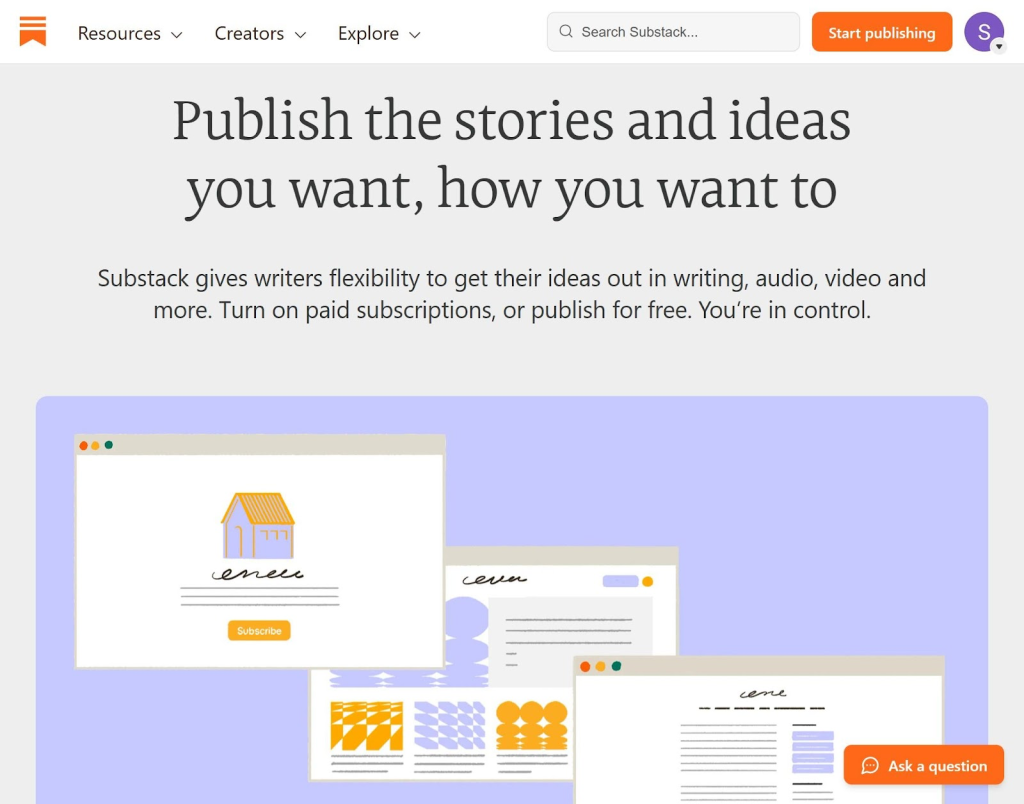
(Substack Content Creator Page)
Ultimately, your content should be written by humans for humans, and it should be citable, skimmable, and genuinely valuable.
2. Guest Posting
There’s a good reason guest posting has a bad rep: for years, people treated blogs as dumping grounds for low-quality, spammy content — all in the misguided pursuit of easy backlinks. These days, Google’s algorithm ignores most of those links. It doesn’t mean guest posting is dead. Ditch the lower-tier blogs that will literally post anything and do this:
- Target niche-relevant sites with real audiences. Here’s an example: if you offer language courses, go for blogs, forums, and online communities with active language-learning members.
- Share unique takes and fresh insights to get backlinks that will make you stand out from the sea of generic AI slop.
- Pitch how-to tutorials and blog posts that feature your products as a top option.
Guest posting is a win-win: it boosts your search engine ratings and helps you build quality backlinks while putting your products in front of potential customers. The key rule: don’t dump your content anywhere someone will accept it. Google’s Penguin algorithm update penalizes sites that engage in manipulative backlinks building practices, so careless link placement can actually hurt your rankings.
3. Digital PR & Newsjacking
Imagine something newsworthy has happened in your niche. It’s high time to jump on the bandwagon and become your own publicist. Here’s what to do:
- Share a quick analysis on LinkedIn and Twitter.
- Pitch journalists with a relevant quote or stat.
- Use tools like HARO (Help a Reporter Out), Featured.com, or Qwoted — they’ll connect you with writers looking for sources.
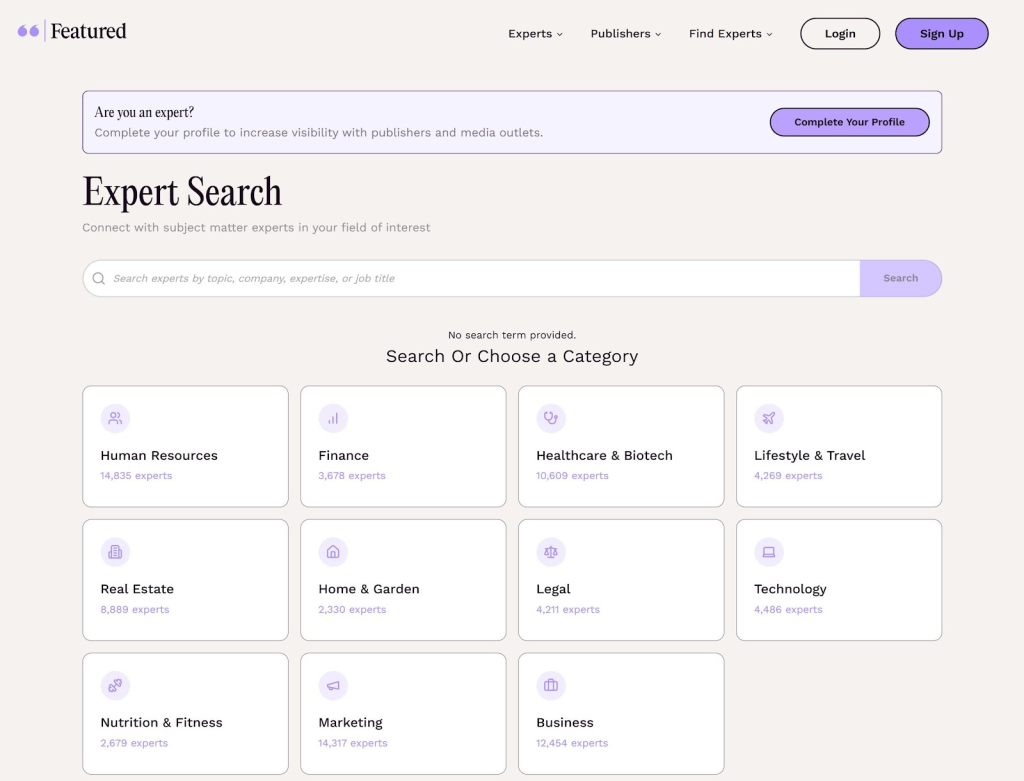
(Featured Expert Search)
This is one of the best ways to get backlinks from authoritative websites. To become a source, create a profile, receive alerts when journalists are looking for sources in your niche, and respond to these queries. Your quotes and insights may be selected and earn you a media mention. Here’s a trick: journalists and deadlines go hand in hand, so respond quickly to skyrocket your chances of getting backlinks.
4. Broken Link Building
You find broken links on other people’s sites and reach out to them with a pitch, suggesting your own content as a replacement. This method works: most site owners will accept your offer — nobody benefits from having broken links negatively impacting SEO efforts, bounce rates, and visitors’ experience. Sounds like a win-win, right?
The catch is that broken link building is time-consuming, grunt work that leaves many people wondering about its effectiveness. Here’s how to do it effectively:
- Use Tools: Check My Links (Chrome), Ahrefs’ Broken Link Checker, Screaming Frog, or Semrush show how to search for backlinks and quickly identify dead links.
- Pitch Correctly: You can’t pitch a crypto blog an article about fitness just because you sell yoga courses. The suggested content should be relevant. Guides, updated resources, and eye-catching infographics work best.
- Outreach Tactfully: Pen your email to the site owner. Concisely explain that you’ve noticed one of their links is broken and offer a new resource that might be a good fit. Being polite, concise, and without a spammy vibe is your best chance at getting good backlinks.
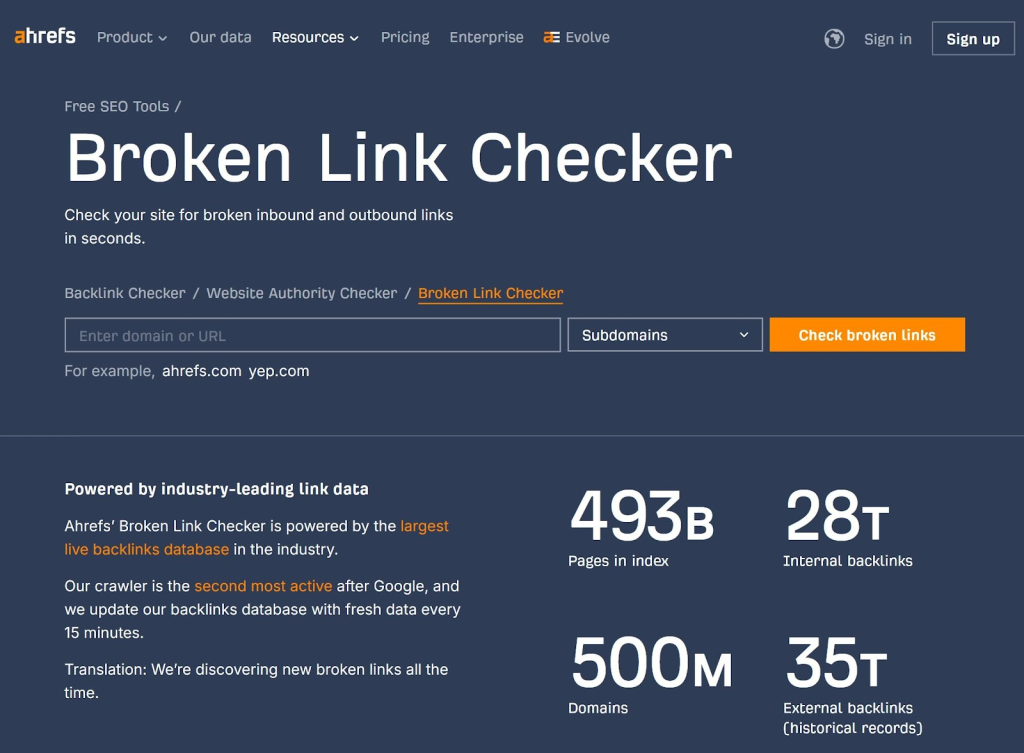
(Ahrefs Broken Link Checker)
Many users mention that other methods, like HARO or PR outreach, are less time-consuming. Truth is, broken link building may be labor-intensive, but it comes with the advantage of targeting specific, authoritative sites relevant to your niche.
5. Build Free Tools, Templates, or Widgets
Have you ever used an online calculator, a budget planner, or a simple template? Chances are, so have thousands of others. That’s what makes these tools ultimate SEO magnets: evergreen content that genuinely helps people, so they naturally link and reference it in their “top tools” articles. Luckily, you don’t have to be a tech wiz to craft these helpers. Here are some tools that will come in handy:
| Tool | Best For |
| Google Sheet / Excel | Calculators, budget planners, content calendars |
| Canva | Templates, checklists, worksheets, social media kits |
| Notion | Interactive planners, project trackers, resource hubs |
| Google Forms/Typeform | Interactive quizzes, surveys, assesments |
| WordPress + Plugins | Interactive calculators, quote generators, quizzes |
| Figma | Infographics, UI kits |
| Glide/AppSheet | Simple apps, interactive tools |
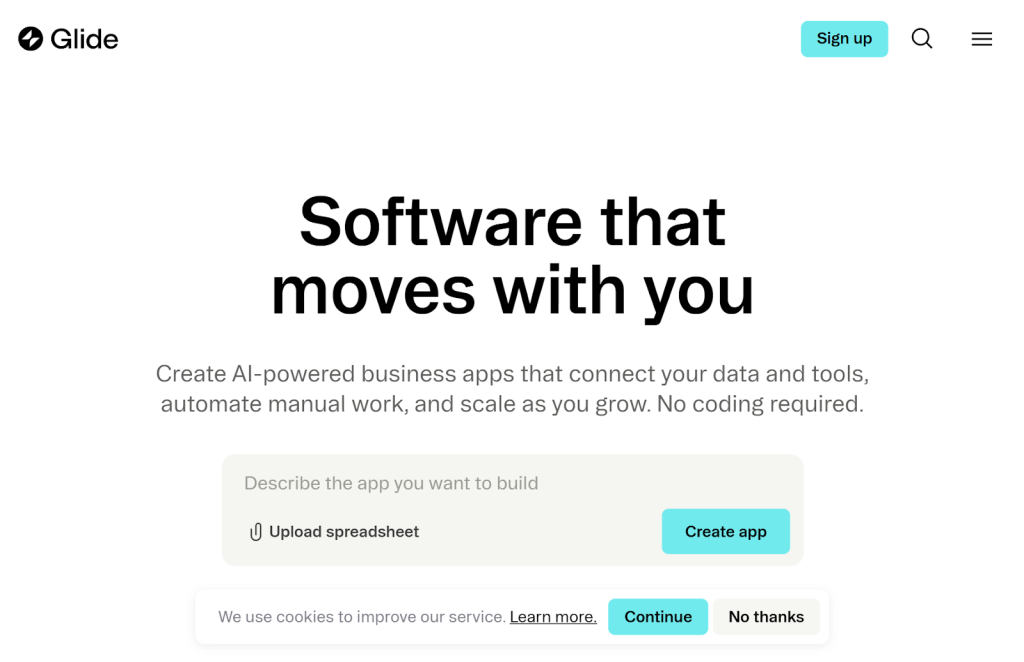
(Glide App Creator)
Remember, the key thing is that your tool must solve a real-life problem and be intuitive and simple to use. Don’t forget to include an “Embed” or “Share” option — those are necessary so other sites can link to you with little to no fuss.
Final Thoughts
Backlinking may be among the most time-consuming parts of SEO, but it’s your basic ‘strong site rankings’ foundation. Of course, not every tactic will work for your specific situation, but if you’re grinding for results and wondering how to get backlinks fast, there are three main things you should focus on: great, link-worthy content, guest posting on relevant sites, and newsjacking. This is your essential combo necessary to jump-start your backlink profile and build momentum.
 ChatGPT
 Perplexity
 Claude
 Google AI Mode
 Grok
Grok