Sign Up


What Are Comment Backlinks?
A comment backlink is any link posted in a comment section on a blog, forum, or news site, accompanied by a remark or feedback. These comment section URLs allow you to generate backlinks to your page. They exist in two main types:
- Dofollow. Consider this a ‘link juice’ that positively impacts your site’s search engine rankings. Rare blogs still allow them for an obvious reason: pages immediately get drowned in spam.
- Nofollow. These links don’t pass ranking credit directly but still generate referral traffic and diversify your backlink profile. For the most part, Google treats these as hints, while you should treat them as an indirect boost to your brand’s visibility.
Historically, dofollow comment backlinks represented the majority in any blog; today, it’s all about nofollows. The few remaining dofollow blogs are half-fossilised, heavily spammed with ‘100% legit way to earn crypto fast,’ or manually moderated to death.
Why People Still Use Blog Comment Backlinks
When used correctly, blog comment backlinks can complement and enhance your other SEO strategies, boosting your online presence and strengthening your site’s backlink profile. Here’s a quick look at the main reasons why legit SEOs and marketers still drop real, manual comments on blogs now and then:
1. Get Clicks and Drive Traffic
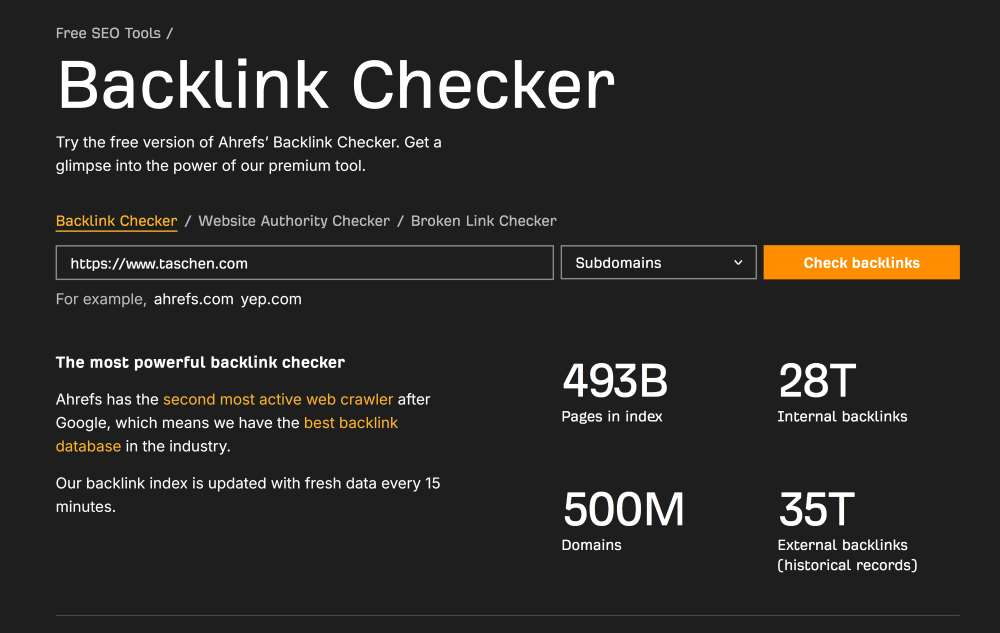
A thoughtful, well-placed comment on a niche blog can typically generate up to a couple dozen to hundreds of targeted warm clicks. For e-commerce, SaaS landing pages, and affiliate offers, that’s straight cash.
2. Zero Cost and Evergreen
Unlike link insertion or guest posts, a good manual comment will take ten minutes at most and zero bucks spent. Another perk is that once it’s live and moderated, it stays there forever, unless the blog dies.
3. Gain EEAT Credibility
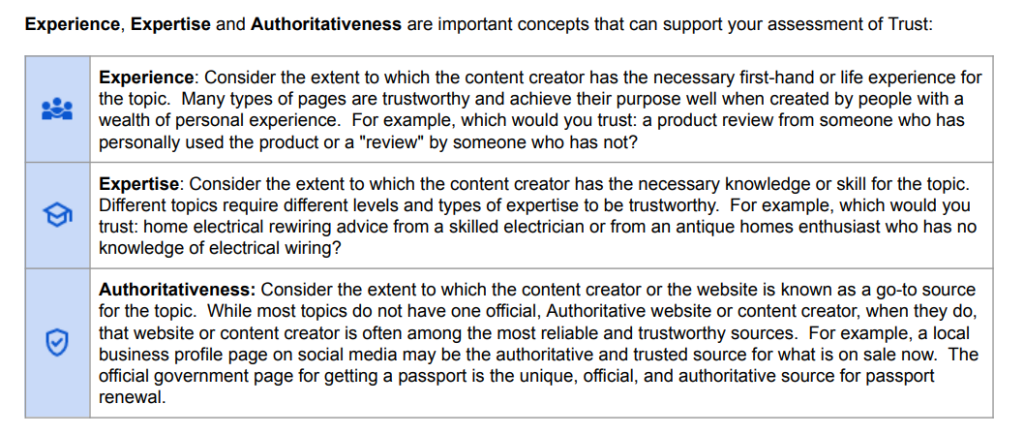
It’s no secret that Google’s EEAT (Experience, Expertise, Authoritativeness, Trustworthiness) is obsessed with credibility and authenticity. That’s why consistent commenting on authority blogs in your niche is so important: Google sees your name linked to relevant, high-quality content. As a result, your topical authority gradually rises.
4. Get Landed in AI Overview
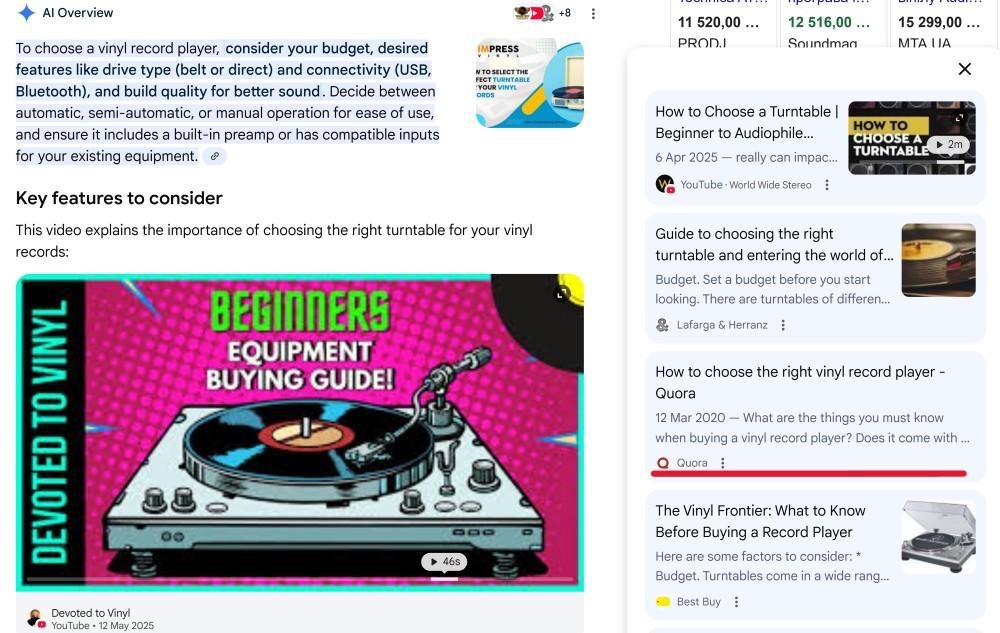
This one is straight from the “unlikely” category. Still, Google’s AI Overviews love pulling info from recent, discussion-rich pages. A well-placed comment on a popular post can land your name and link directly into an AI summary. It’s rare, but it happens. And if it does, your traffic is going to explode with thousands of impressions
5. Force Google to Crawl Your New Pages
New article not indexed yet? Then, it’s time to force Google to create fresh crawl paths. Comment on three big blogs in your niche, drop a couple of solid answers in the right subreddit, and trigger instant crawling. It’s the cheapest, fastest indexing hack out there.
6. Tier-2 Black-Hat Spamming
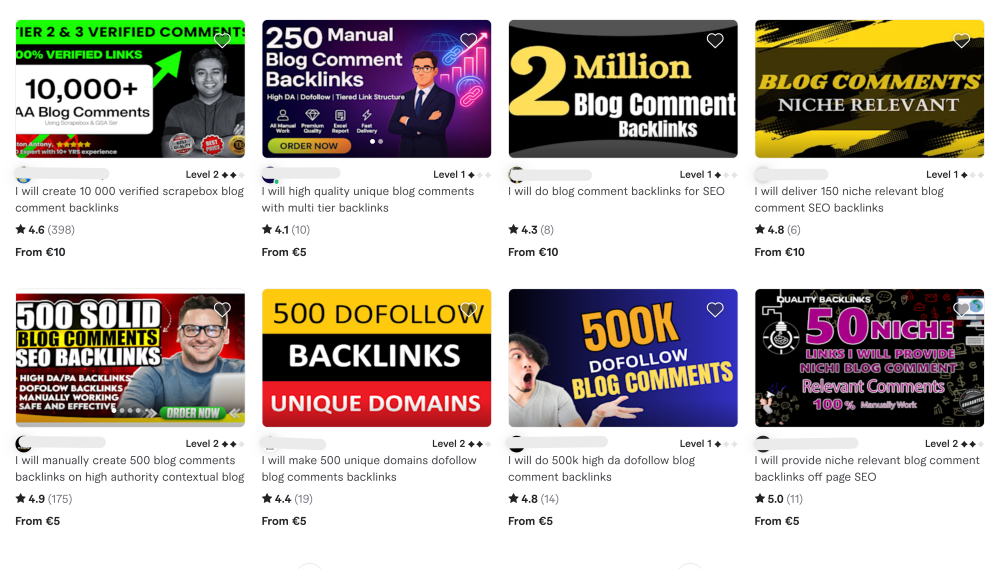
That’s where it gets shady: black-hat and grey-hat still blast thousands of automated backlinks comments, especially in aggressive areas like crypto and gambling. Sure, it can help gain a quick authority boost, but everybody involved is one manual review away from being cast into a digital purgatory and spending months on the site’s rehabilitation.
Bottom line, comment backlinking may not be the modern SEO’s flashiest strategy, but the cumulative effect of a well-done campaign is sizable. You get better crawl rates, warmer traffic, and a significant topical authority bump.
How to Get Backlinks from Blog Comments
Forget about “Great post!” and “Valuable insight!” comments. At this point, they’re more meme-worthy and embarrassing than effective. To obtain backlinks from blog comments, do this instead:
1. Find Relevant Blogs
Use relevant search operators (a.k.a. special commands) to quickly surface active, high-quality blogs. In the past, you just had to write into a search bar something like “keyword” + “blog” + “dofollow comments” to locate it. These days, it’s best to use operators like these:
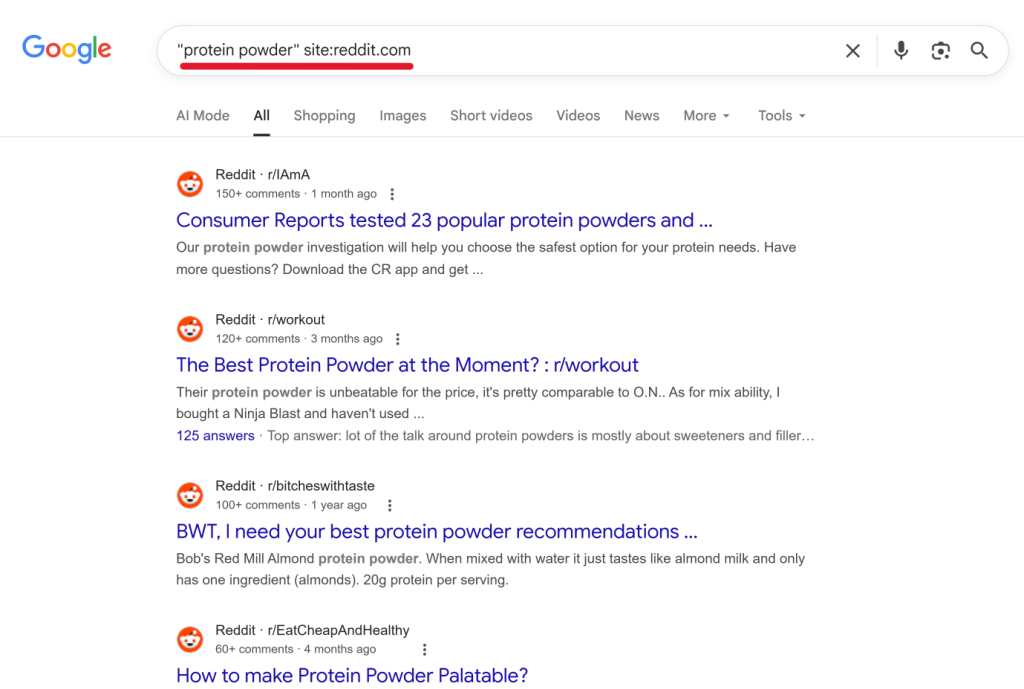
- For fresh posts that are already getting real engagement — “your keyword” “great point” OR “this helped me” 2025.
- For Reddit blogs — use “your keyword” site:reddit.com.
- For authors who’re inviting comments — “your keyword” “what has been your experience” OR “I’d love to hear your thoughts.”
- For active blogs looking for contributors — “your keyword” “write for us” OR “guest post.”
Just pick one, replace “your keyword,” insert it into the search bar, and you’ll instantly get a list of active blogs.
Here’s a pro tip: to find the best keywords, reverse-engineer your competitors using Ahrefs/SEMrush advanced backlink tools to filter ‘blog comments’ to see where they get their links and then blatantly borrow them.
2. Write Valuable Comments
No spam or one-liner “Thanks!” comments. Aim for 150–250 words with meaningful insights, counter-examples, and a micro case study, where you share your own numbers and real results you’ve achieved. Also, engage in respectful pushback: disagree politely and participate in friendly back-and-forth to boost engagement.
3. Integrate Your URL Naturally
Don’t just dump your homepage on unsuspecting readers — chances are, nobody is interested. Instead, always weave the URL into a relevant conversation, linking either to your pillar page or a related in-depth guide.
4. Use Your Real Name
It’s not the right time to embrace your internet anonymity. To boost visibility, use your real first and last name. Keyword-rich anchor texts, like “Best SEO Tips” or “Buy Bitcoin,” just scream spam, so avoid these at all costs. Instead, add the name of your brand. For instance, “Alex Lukianoff @GrowthNotes” looks professional, authoritative, and doesn’t look like someone is trying to force-feed you a crypto course.
5. Be Early and Consistent
Blog commenting isn’t an overnight success; it’s a steady, consistent process that builds one backlink after another over time. Show up, comment early (preferably in the first 5–10 comments), engage with others to create conversation threads, and post 5–8 high-quality comments weekly. It’s a quality-over-quantity strategy, so consistency and relevance are key.
Bottom Line
Blog commenting for backlinks is all about the steady building of credibility and authority. Although you should definitely side-eye the ‘5,000 blog comments’ packages sold in bulk for a suspicious price of $5, don’t dismiss the practice entirely. Find niche blogs, leave relevant comments, and engage in good-faith discussions, sharing insights and relevant case studies. Over time, this strategy will yield real results, boosting your ranking, authority, and cash flow.
 ChatGPT
 Perplexity
 Claude
 Google AI Mode
 Grok
Grok