Sign Up

Picture this: SpamBrain, Google’s ever-vigilant spam detector, wipes out your competitor’s entire black-hat portfolio overnight. Meanwhile, you’re unbothered, because your profile is pure E-E-A-T. In this guide, we’ll explore what white hat link building has to offer, the immediate pros you should expect, and why it’s an ultimate long-game strategy that survives every algorithm update.
What Is White Hat Link Building?
White-hat is a term used to define SEO practices that follow Google’s guidelines. Unlike black-hat, white hat linkbuilding is all about increasing the number of high-quality backlinks that come from credible and authoritative websites.
These links are either earned naturally or through legit outreach campaigns. A large number of high-quality backlinks increases your chances of appearing in the coveted top-of-the-search-page spot. Either way, acquiring these links revolves around honest, transparent methods and adherence to EEAT guidelines. Before discussing white hat backlinks perks and best tactics, here’s a quick comparison table to cement the main differences:
| White | Grey | Black | |
| EEAT-approval | Yes | Sometimes (if hidden well) | Never |
| Effectiveness | High long-term | Short-term | Very short-term |
| Speed | 3-18 months | 1-6 months | 2 weeks-3 months |
| Risk of Manual Action | Almost 0% | 45% | 70-95% |
| Typical Tactics | Guest posts, digital PR, content promotion, resource pages, utility link building | Niche edits, paid PBNs (private blog networks), tiered spam | PBNs, link farms, hidden/cloaked links, auto-generation, link injection |
| Recovery if Penalized | Not needed | Sometimes | Your domain is done |
White-hat is definitely the slowest of the three methods. It is also the one to stick to if you want long-term and no risk of manual action.
Why SEOs Rely on White-Hat Link Building?
Google is on a never-ending quest for perfection, constantly refining its algorithm to spot spam and reward helpful, user-centered content. That’s exactly why white hat outreach tactics withstand the test of time: they play nice with the algorithm, staying clean. Here’s why you should adopt white hat link building techniques, too:
- Sustainable Traffic Growth. Google boosts sites with a clean, topical-authority link profile.
- Avoid Penalties. You’ll never wake up to a manual penalty from a fastidious Google human reviewer, a 95% traffic drop, and your entire domain de-indexed.
- Build Your Brand. When you play clean, Reddit, journalists, and potential partners will link to you without outreach.
- Future-Proof Against Updates. From SpamBrain to AI Overviews, white-hat keeps your profile spotless, so any future Google updates won’t leave you crossing fingers and closing eyes.
- Raise Funding. If you want to sell the site or crowdfund certain initiatives, it’s best to have a squeaky-clean profile that won’t scare the potential investors away.
Bottom line, white hat backlink methods hold up in the long run, offering a future-proof approach against any new algorithmic quirks.
Top White-Hat Link Building Strategies
So, where should you take these authoritative links if buying them will send you to Google’s naughty list? Here are a couple of battle-tested tactics that deliver when implemented correctly.
1. Guest Posting
Pitch, get refusals, pitch again, publish, repeat. This process is slow, but the links it gives are authoritative and relevant, as long as you’re writing to respectable industry blogs and not paying $50 for a spammy “write for us” page. Plus, you get brand exposure and direct referral traffic when the post ranks. Here’s how to go about it:
Research Your Competitors’ Guest Posting Methods
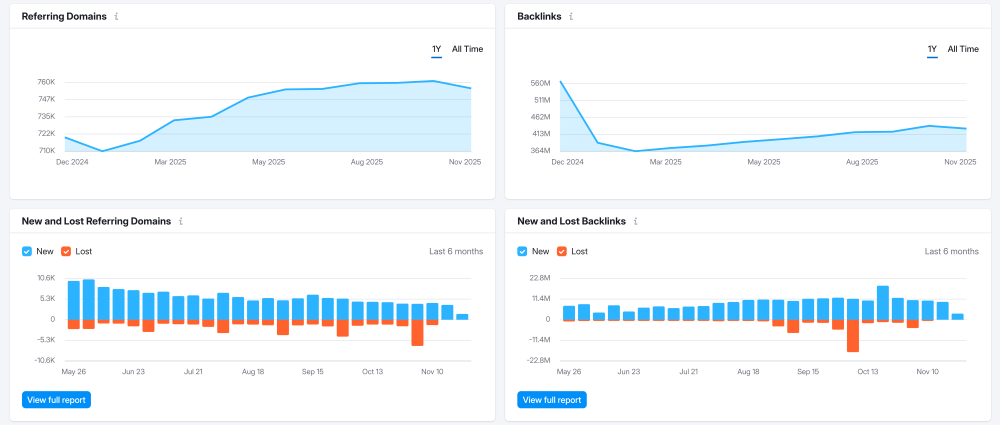
Your competitors have already spent years perfecting their craft, researching and publishing their content on real blogs. Consider this your ‘piggybacking’ stage, where you must investigate your competitors’ guest posting footprint. Open any SEO tool that boasts an advanced backlinking feature (SEMrush and Ahrefs work well here). Evaluate the dofollows, sort by Domain Rating, and export the list of your top targets.
Find Fresh Leads
Don’t limit yourself to your competitors’ leads. You should also browse for brand-new opportunities. Just enter into the search bar:
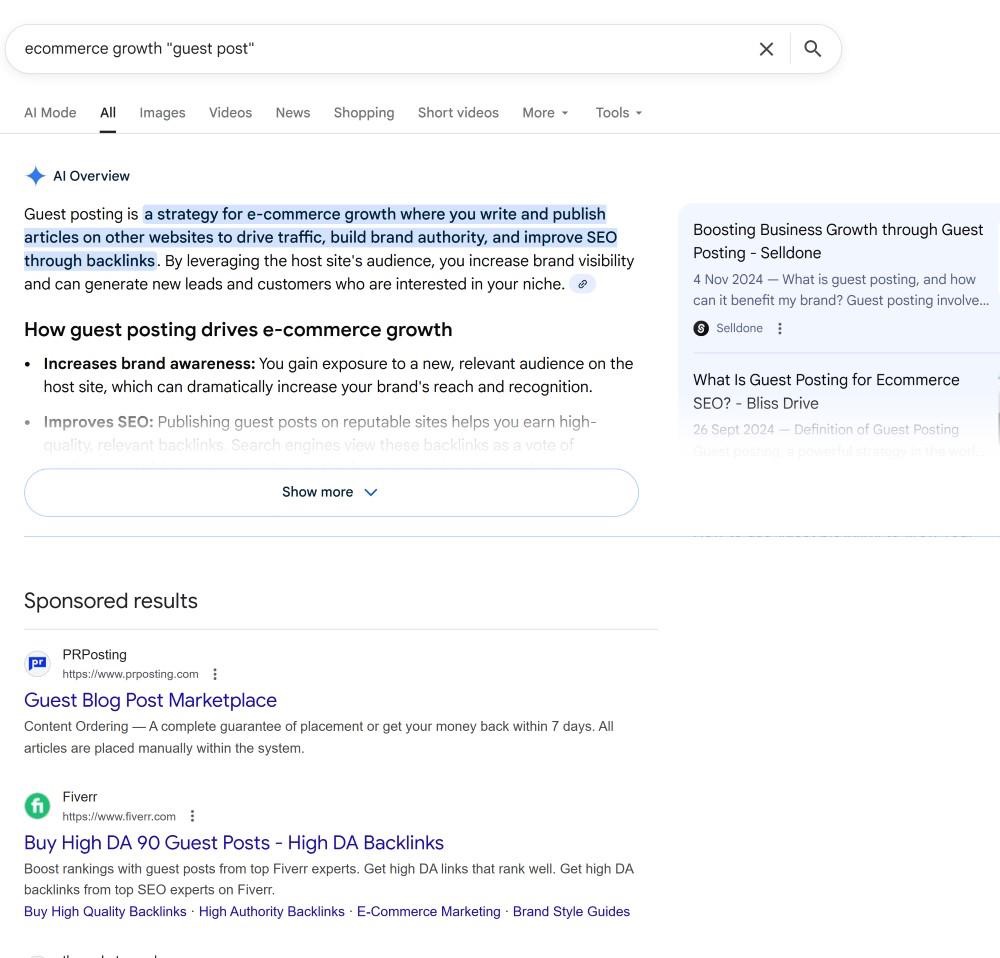
- your niche “write for us”
- your niche “guest post”
- your niche “become a contributor” inurl:(signup login)
These nifty search operators will help you streamline the entire process.
Personalize Your Pitch
Editors get hundreds of pitches annually, so yours must stand out from the crowd (in a good way). So, ditch generic “Hey, loved your blog”; instead, reference their specific article published in the last 30-60 days. Next, provide 2-3 hyper-specific topics that will help them fill their content gaps and include a couple of links to your best published work on similar sites. Don’t have anything published yet? In some cases, your previous blog posts and industry contributions should be good enough.
Guest posting is one of the safest white-hat tactics. Just avoid sites that require payments for posting, have template designs, or have a scammy look.
2. Create Linkable Assets
Compelling, linkable content is the foundation of any successful white-hat link-building campaign. Essentially, this content is so valuable that other websites want to reference and link back to it. Definitive guides, data-driven studies, and handy interactive tools — all are good examples of high-quality, valuable content that you should have in your portfolio.
To create effective linkable assets, start by analyzing your competitors. It’s the same ‘piggybacking’ stage from before, where you use SEO tools to analyze their most-linked pages. Your aim is to figure out which formats work and which don’t. Borrow their topics; then expand and perfect them. After all, who wants a second-rate copy when they go back straight to the source? That’s why your content should be better: more case studies; better, clearer explanations; additional practical utility; greater depth. Everything to make your content the go-to and not a spin-off.
3. Digital PR
To gain reputation and brand mentions, you must rely on digital PR. Here’s how it works in practice: you create an account on a specialized platform, describe your topic of expertise, turn on email alerts so journalists’ requests can land in your inbox, and try answering 5-10 queries a day. If you don’t get any requests, you should use broader topics, check whether you’ve verified your email, and work on your bio.
But which platform should you choose? For a while, HARO (Help a Reporter Out) was every SEO’s darling: the link-building tool (a.k.a. collaboration platform) allowed to get quoted as an expert in your niche and gain the coveted media mentions. The last few years, however, have been brutal. The platform has already been dead, buried, and resurrected a couple of times. In April 2025, Featured.com swooped in and acquired the platform, ditching the paywall for a free, email-based model. Today, the platform thrives in its post-relaunch glory, excelling for high-volume queries from traditional media, especially with lightning-fast response time.
In addition to HARO, two other platforms will get those Business Insider mentions:
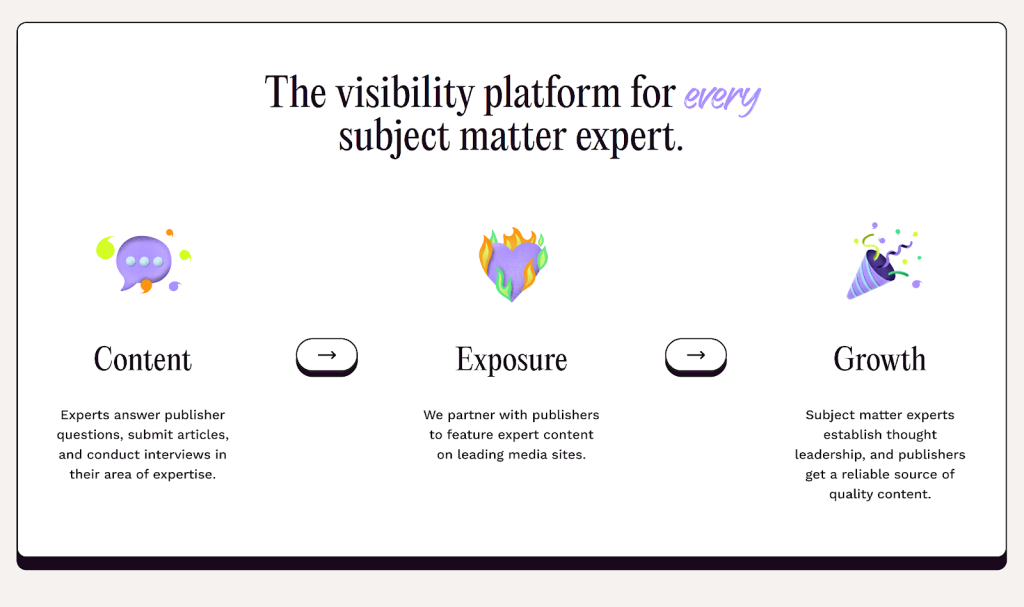
- Featured.com. Has a sleek, user-friendly dashboard that allows skipping email clutter; plus, the AI-filtered relevance feature is a banger. Plays nice with Google’s guidelines and has a freemium plan.
- Qwoted. Spam-free platform with keyword-searchable queries and a huge media database. There are free plans, and it’s fully compliant with Google’s rules.
Using these platforms for digital PR will help maximize outreach, get media mentions, and scale your campaigns.
To Wrap It up
It may not feel exciting to pitch guest posts, write 3,000-word guides nobody seems to read, or hope — fingers-crossed — that someone finally notices your work. Yet, this is the foundation that survives every algorithm update. Black- and grey-hat may give quick results, but if you’re playing a long game and don’t want to see your entire domain disappear overnight, creating linkable assets, earning media mentions, and pitching your idea is the only way to go.
 ChatGPT
 Perplexity
 Claude
 Google AI Mode
 Grok
Grok