Sign Up


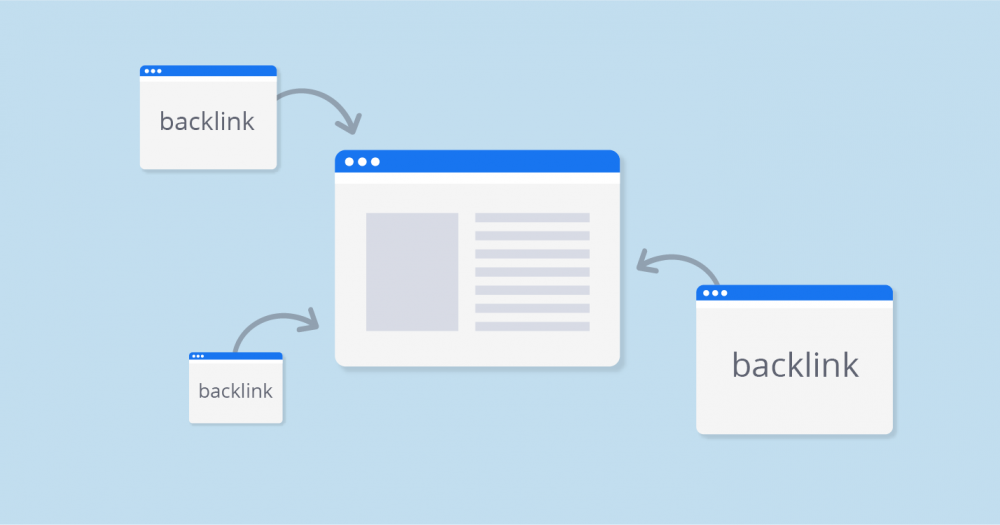
Why do different types of backlinks still work? The point is that search engines interpret websites that others link to as containing valuable, useful information that can be recommended in response to relevant user queries. A well-organized link-building strategy helps you confidently and effectively promote your pages to the top 10 of search results.
Why Understand the Types of Backlinks?
When you know what kinds of links you can get from different sources and through different methods, you can identify what are the best backlinks. Understanding all types of backlinks gives you the foundation to build a clear, systematic approach to strengthening your backlink profile and knowing which options you can use and when. Moreover, by using not only uniform but different backlink types, you can build a diverse, organic profile that avoids Google penalties and steadily improves your rankings.
At the same time, to distinguish the types of backlinks in SEO, you also need to understand that search engine crawlers evaluate each link based on several criteria – how authoritative the source is, whether the link is relevant, whether it appears natural, and more.
How Many Types of Backlinks Exist?
SEO specialists and link builders classify backlinks for a reason. It helps them focus on acquiring the most effective backlinks and combining different link types in one portfolio. Overall, there are around 50 types of backlinks, but you don’t need to know all of them. Especially since not all are useful. Let’s look at the key ones that truly matter.
Classification by Link Behavior
Even if you’re new to link building, you’ve likely noticed that sometimes, you can click a link and instantly open a new page, while other times, you have to copy and paste the link manually into the address bar. This distinction gives us two main backlink types:
These are clickable links that immediately take the user to another domain. They are more user-friendly and bring more targeted traffic to the recipient site. Their biggest advantage is that they pass SEO juice and increase PageRank, making them the most valuable and desirable types of backlinks. When crawling a page, the search engine sees such a link and interprets it as a sign that “this information is trustworthy.” The most effective DoFollow links come from relevant, high-authority websites.
NoFollow Backlinks
Unlike DoFollow, NoFollow backlinks contain a rel=”nofollow” attribute. These links usually don’t pass SEO juice to the receiving domain. This does not mean that NoFollow links are unnecessary. If they are present, a backlink profile looks natural. A healthy profile should include a majority of DoFollow links and a portion of NoFollow links to avoid appearing manipulated. Additionally, NoFollow links increase visibility, brand awareness, and referral traffic, making them valuable assets.
Classification by Link Placement
Depending on whether links are placed on your site or external platforms, there are two additional effective backlinks types:
- Internal backlinks point from one page of your website to another. Internal linking improves indexing, strengthens site structure, and directs visitors to important pages. For example, blog articles can link to product pages in your online store.
- External backlinks are links to your domain from other websites.
Classification by Anchor Text
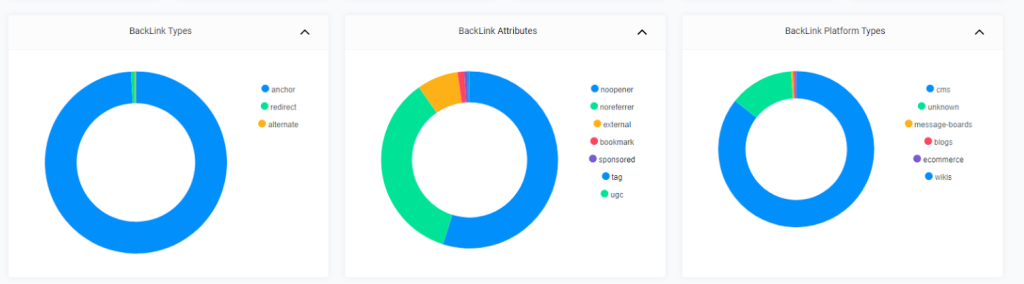
There are also 3 types of backlinks based on anchor text:
- Non-anchor links
- Commercial anchor text
- Non-commercial anchor text
An anchor is the text that contains the clickable link — it can be a keyword, a branded phrase, etc.
Non-anchor links appear as plain URLs, for example: “Find more info at https://yourdomain.com/”
They can also be hidden behind generic phrases like “click here,” “read more,” “learn more,” etc.
So, what are the best backlinks among these? You need a well-balanced mix to make your profile look natural. Don’t focus on getting a precise number of each type – they are all necessary. Experts recommend that 35–45% of backlinks be anchor links, and within those, aim for a mix of commercial, branded, and non-commercial (keyword-based) anchors.
Non-anchor links should make up 35–70% of your profile.
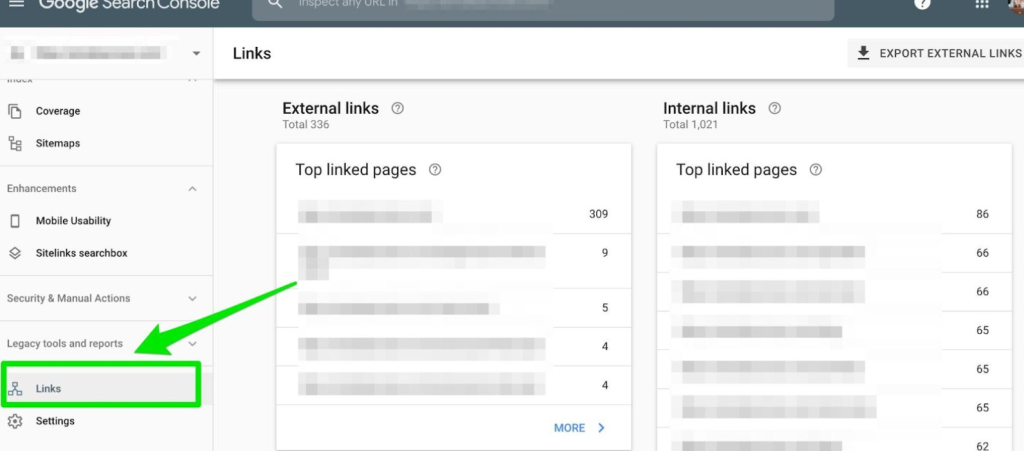
To understand the right ratio for your website, analyze your competitors. Look at their backlink profiles: total number of links, anchor vs. non-anchor ratio. This will help you choose the most effective strategy for your niche.
Remember that non-anchor links look the most natural to search engines. A profile with more of them carries minimal penalty risks. Google knows that most backlinks are purchased. And when you buy links, you usually want branded anchors, which is exactly where the risk lies. Maintain balance and don’t fall for the temptation to acquire too many branded anchor links.
All Types of Backlinks
There are also several types of backlinks in off-page SEO, distinguished by the sources they come from.
Sponsored Backlinks
These types of backlinks include the attribute rel=”sponsored” in the code. This tag signals to the search engine that the link is part of a paid collaboration or an advertising campaign. If you are running large-scale link purchases, this attribute protects you from penalties because it allows you to place such links legally, including anchor and branded mentions.
User-Generated Content Backlinks
This backlink type is among the most valuable, as it consists of organic mentions. They are especially useful when they appear in a positive context: in reviews, descriptions of a collaboration with the brand, forum discussions, or social media conversations.
Contextual Backlinks
You create thematic content, and your website is referenced as a source of information or additional data. In this case, the link appears natural, the topic is relevant, and the link is surrounded by helpful content. This type of backlinks passes some of the strongest SEO juice to your page.
Guest Post Backlinks
Links in guest posts are best placed so they appear contextual. They are most valuable when the hosting domains have high authority, and the publication provides real value to the reader, fully answering their query. Guest posts are mostly paid collaborations, so it’s important to build this backlink type gradually to avoid suspicion of a “link explosion.”
What are the best backlinks for an article? Combine formats: some guest posts should include anchor links, and others should use naked URLs or links hidden behind texts like “read here.”
Editorial Mentions
These publications may look similar to guest posts, but the key difference is that they are organic mentions in media outlets. The links appear within expert quotes, interviews, or in-depth explanations of important topics.
Resource Page Backlinks
If you offer a helpful tool, such as a calculator, converter, browser extension, guide, research, or any other valuable free resource, other websites may link to it on their resource pages.
Broken Link Building
Sometimes, your backlinks or your competitors’ backlinks get lost or stop working. You can reach out to the website owner and suggest replacing the broken link with your updated, relevant content.
Profile Backlinks
These are backlinks you can get from business directories, listings, or social media platforms like LinkedIn, Facebook, and Twitter. Add your website link to your profile description or bio. You can also submit your business to local listings in your niche. While these links carry modest SEO weight, they can drive referral traffic and attract a relevant audience.
Forum and Community Backlinks
It’s always beneficial when people talk positively about your brand on Reddit, Threads, or other community platforms. You can’t buy this type of backlink; you earn it by being socially active, participating in discussions, and maintaining a meaningful presence in the communities where your brand operates.
Image and Infographic Backlinks
A single high-quality infographic posted on your website can bring thousands of visitors. Invest in strong visual content, and people will naturally return to it and share it, generating consistent backlinks.
Video Backlinks
Links placed under YouTube videos, both in the description and in pinned comments, often generate excellent referral traffic. To earn these backlinks, you can participate in podcasts, interviews, product tests, unboxings, tutorials, or publish assembly guides and reviews.
Which Backlinks Are the Best for SEO?
The most valuable backlinks are always the ones earned naturally. Any contextual, relevant mention from another site will bring more qualified visitors than a paid link. Ideally, your strongest backlinks should be dofollow, allowing users to easily access your page and giving you the full SEO benefit.
To earn the most effective backlinks, start by creating content and resources that are genuinely worth linking to. Don’t focus on buying as many links as possible – focus on making your platform naturally interesting, valuable, and unique. This may include stronger visuals, better content, clearer presentation, or useful tools and features.
It’s understandable to want fast results with minimal effort, but today’s digital landscape follows different rules: quality, value, and user satisfaction win every time. The more you focus on solving users’ problems and delivering a top-tier experience, the better results you’ll see. It doesn’t always require big budgets, but it always requires real involvement and commitment.
 ChatGPT
 Perplexity
 Claude
 Google AI Mode
 Grok
Grok