Sign Up


The real question, however, is whether they still work in the current SEO landscape. Long story short: yes, if implemented correctly. This guide outlines exactly how you should approach Web 2.0 link building, examines the nitty-gritty of this cave-painting-era SEO practice, and provides the best practices that deliver results.
What Are Web 2.0 Backlinks?
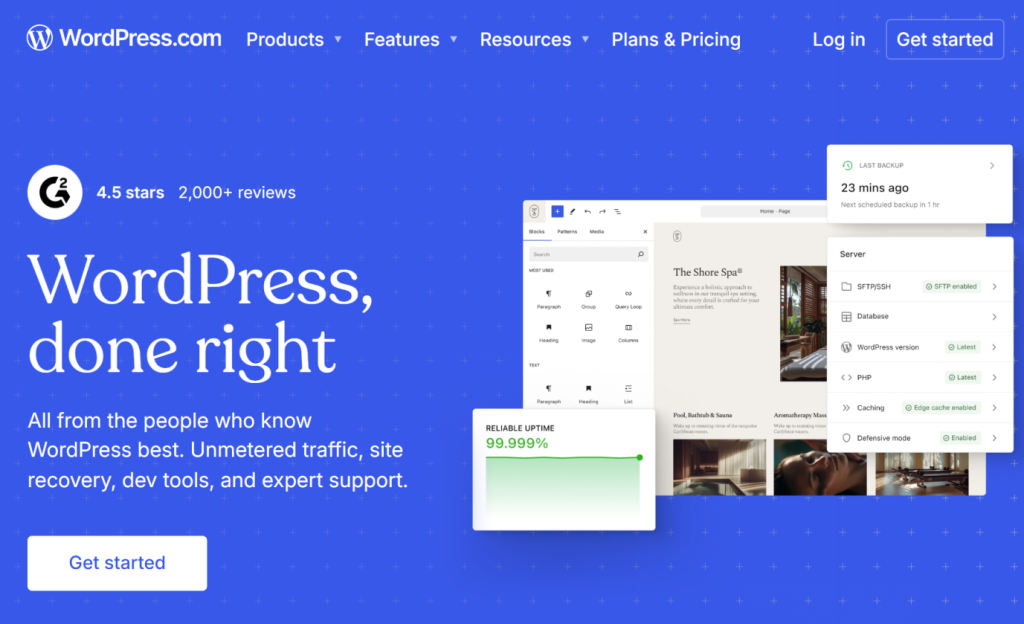
Web 2.0 link building is a strategy that involves setting up accounts and publishing content on WordPress, Medium, and other platforms where anyone can post, then pointing links back to your main website. These platforms can be broadly divided into:
- Blogging Platforms: set up and run your blog for free (WordPress).
- Content Publishing Platforms: sites that allow users to post articles (Medium).
- Website Builders: create your personal site from a collection of ready-made templates (Wix).
- Profile-Based Content Networks: create your personal profile page and publish articles (LiveJournal).
Most of these links are nofollow and don’t affect PageRank. The upside is that they diversify a site’s link profile and establish topical relevance.
Web 2.0 Main Platforms
From 2010s holdovers to modern website builders, you’ll find a surprising number of Web 2.0 platforms that are still kicking around. The real challenge is figuring out which ones are actually worth your time and which ones aren’t. Here’s a look at the main contenders, their digital authority (DA), and for which SEO needs they work best:
| Platform | DA (Moz 2026) | Primary Use | Best for SEO |
| WordPress | 95 | Customizable blog | Create a blog with multiple interlinked articles to create your topical content hub |
| Medium | 95 | Single-article publishing platform | Drop high-quality articles with a contextual link to leverage Medium’s visibility |
| HubPages | 92 | Profile-based + articles | Organize multiple articles around a single profile to build a content cluster |
| Scoop.it | 92 | Content curation | Set up a topic-specific boards for niche relevance through curated links |
| Blogger | 91 | Blog | Blog on a Google-owned domain for steady contextual linking |
| Tumblr | 77 | Microblog | Write lots of short posts to diversify your link profile |
| Wix | 71 | Website builder | Create a multi-page site for an internal linking structure |
| LiveJournal | 59 | Profile-based blog + articles | Build a long-term profile with multiple posts for topical presence |
Overall, don’t spread yourself too thin posting non-stop to 10 platforms simultaneously. This will just end up looking spammy, which is counterproductive because it will land you on Google’s blacklist. Concentrate on 3-5 platforms, where you can post valuable, high-quality content consistently.
Why You Should Bother with Web 2.0 Backlinks: Main Pros

Despite the algorithm updates, Web 2.0 backlinks remain relevant for multiple reasons. Here’s why blog-posting works as a supplemental strategy:
- Cost-Effectiveness. If you’re on a tight budget, this one is an absolute lifesaver, as most of these platforms are absolutely free to use.
- Quick Indexing. Make Google’s crawlers notice your site faster: publish on platforms like Blogger, link back, and get your page discovered faster.
- Variety of Backlinks. This one is SEO gold, as you create a mix of dofollows and nofollows from a diverse profile mix of blogs, forums, and social shares. Google loves it.
- Better Brand Awareness. A steady stream of posts established you as an expert in your field, helping to build trust organically.
Web 2.0 backlinking strategies quietly amplify your SEO efforts on a minimal budget. Many SEOs use them as Tier 2 links, creating additional visibility without spammy black-hat PBN (private blog networks) practices.
Creating Effective Web 2.0 Backlinks: Best Strategies
To leverage Web 2.0 backlink methods to the max, always prioritize quality over quantity, or you’ll land in Google’s penalty corner. Here’s how seasoned SEOs go about it:
1. Pick the Right Platform
Focus on Web 2.0 backlink sites with high Domain Authority, since strong DA makes Google notice you faster. Check the table above for the best-rated platforms that offer the best backlink value, making them a reliable choice for a long-term strategy.
2. Write Readable Content
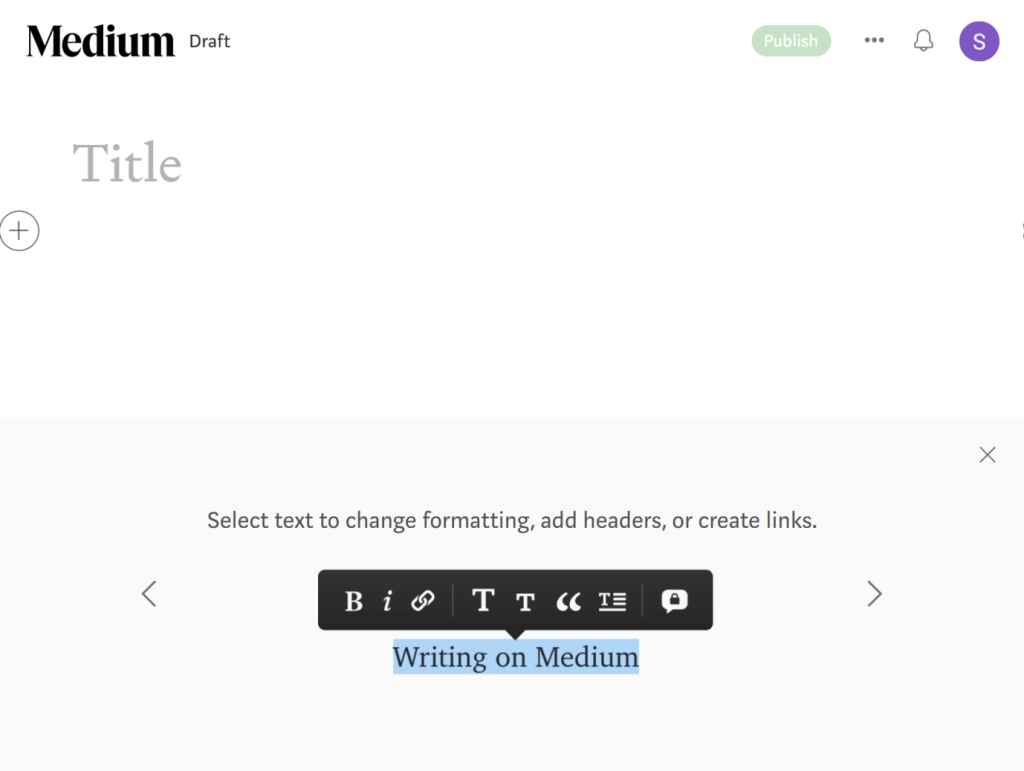
Google prioritized human-written, well-structured content that brings value to the reader. That’s why churning keyword-rich filler is counterproductive. Instead, deliver new material in an original way that’s neither too jargony nor sounds like you’re spoon-feeding your audience.
Structure is incredibly important, too. There should be no sprawling sentences or never-ending paragraphs in sight. Instead, use conciseness, tables, bullet points, and multimedia whenever possible.
3. Place Contextual Links
Don’t force links into your texts; they should be inserted only when they provide a genuine value. For example, when writing about email marketing strategies, it’s a good occasion to link to your definitive email marketing guide.
As for the placement, it’s best to use contextual links within the body of articles rather than relying on footers or profiles. Insert around 2–5 contextual links per article, depending on the length.
4. Ensure Indexing
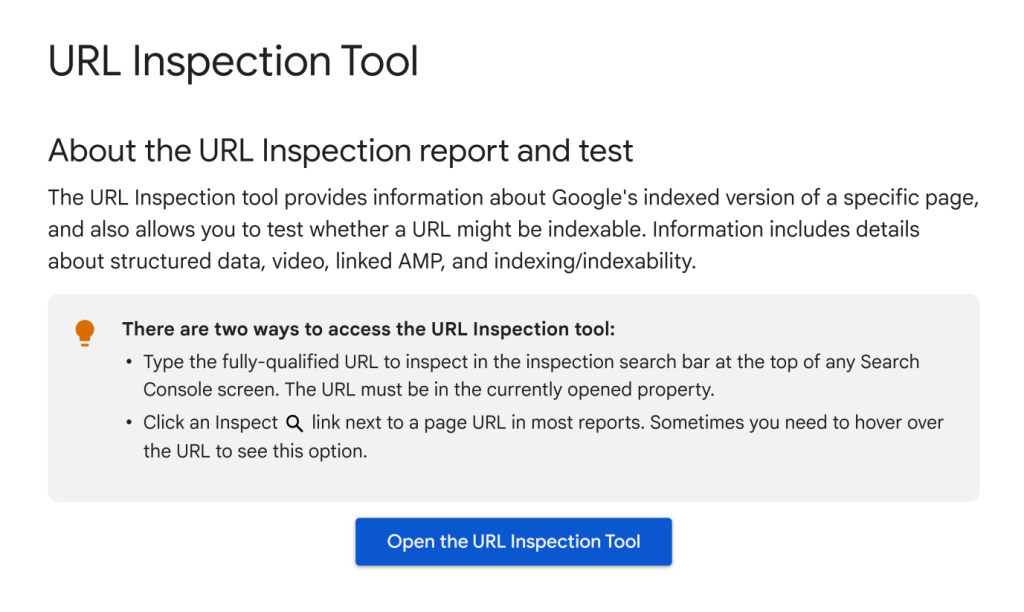
Your article is written, edited, polished to perfection, and published. What’s next? Now, it’s time to ensure that search engines discover, crawl, and index your pages. To streamline the process, you should:
- Google Search Console. Open GSC and proceed to the URL Inspection tool. There, you can submit the URL, prompt Google to do its job, and potentially index your content faster.
- Ping via Social Media. Share your content across different social media to boost the likelihood and speed of crawling.
If you want to boost your content visibility on search engines like Bing, use the IndexNow Protocol.
5. Track What’s Working
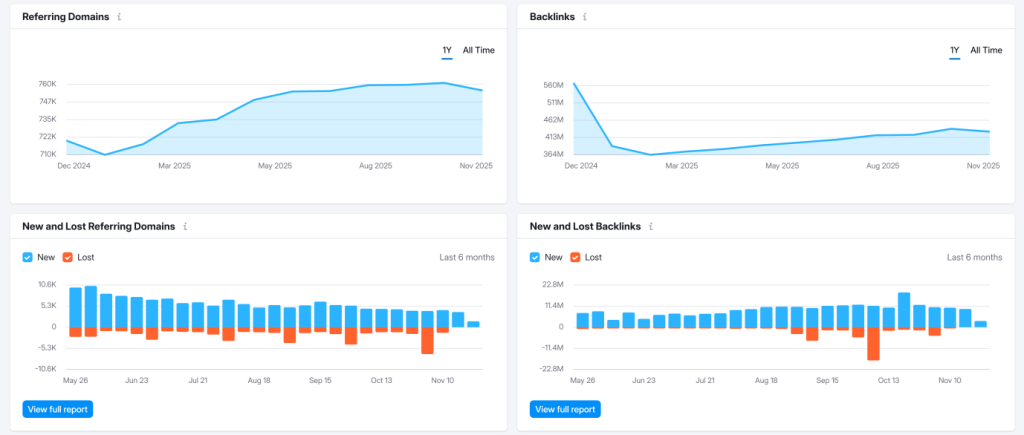
Use Google Analytics and SEO tools, like SEMrush or Ahrefs, to check out which of your articles and platforms perform the best and which ones you should probably ditch. Some platforms will drive some clicks but no conversions, while others may send fewer visitors but higher-quality traffic.
Web 2.0 backlinks get a lot of flak, disavowed as inefficient or outdated. The trick is using them smartly and strategically, sticking to a few platforms and putting effort into creating good, readable content.
 ChatGPT
 Perplexity
 Claude
 Google AI Mode
 Grok
Grok