Sign Up


So, what are EDU backlinks exactly? They’re links placed on verified domains in the education-related sector (.edu, .ac, etc.), typically earned when your content helps a student, researcher, or faculty member. Unlike random directory links, these are naturally selective. And in practice, backlinks SEO means integrating them as part of a wider, value-driven strategy rather than chasing every university URL you can find.
EdTech projects often have the ideal context for this kind of trust-building. They already speak the language of education. The challenge for them is proving why your product deserves to be on their site.
Why EdTech Matters to EDU Sites
Universities link when something genuinely benefits their community. Your tools or resources might fit perfectly on a departmental page or student portal.
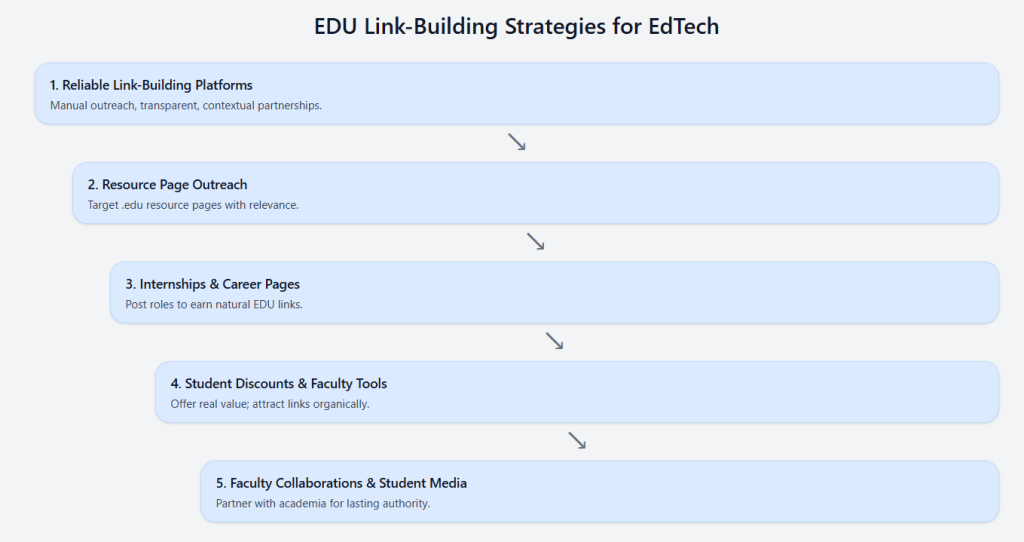
EdTech companies often create materials that overlap with what colleges want to share: course content, online learning platforms, and student-career hubs. These relationships form the natural bridge between links and real-world utility.
If you analyze existing EDU sites for backlinks, you’ll see a pattern — they rarely link to commercial content without educational value. The most sustainable strategies build around that principle. Offer something useful, be transparent, and respect the academic tone.
Ultimately, EdTech is one of the few industries where EDU links make perfect sense. They don’t just improve visibility; they connect your platform directly with the ecosystem you serve.

The Real Value of EDU Links
Some marketers treat university domains like shortcuts to higher rankings. They’re not. The real strength of .EDU backlinks lies in the combination of relevance, authority, and editorial trust. If a college department cites your resource, it’s a signal that your content has earned a place beside research and learning materials.
However, .EDU backlinks don’t override every other factor. A poorly contextualized mention on an abandoned student blog won’t move the needle. Quality and fit always win. Government-affiliated universities can add another layer of reliability, which is why EDU GOV backlinks often outperform random listings on commercial blogs.
Used correctly, EDU links SEO help Google see your site as an active contributor to education. The goal is to align your presence with genuine academic purpose — one good link beats ten irrelevant ones.
Quality Criteria for EDU Backlinks
Before you pitch a university or department, evaluate the actual page, not just domain metrics. A solid EDU backlink profile has to make sense for readers, not just for crawlers.
Here’s what defines real value:
- Active and indexed. The page should appear in Google results and attract consistent visitors.
- Contextual placement. Skip footers or sidebars — aim for editorial mentions inside articles or curated resource lists.
- Topical relevance. Your content should align with a course, faculty project, or student interest; irrelevant EDU back links lose weight fast.
- Moderate link density. Avoid pages packed with random outbound links or commercial clutter.
- Sustainable context. If the page offers genuine information beyond SEO motives, it’s safe to trust.
That’s the foundation of EDU links for SEO — relevance, visibility, and intent above everything else.
White-Hat Ways to Earn EDU Backlinks
1. Reliable Link-Building Platforms
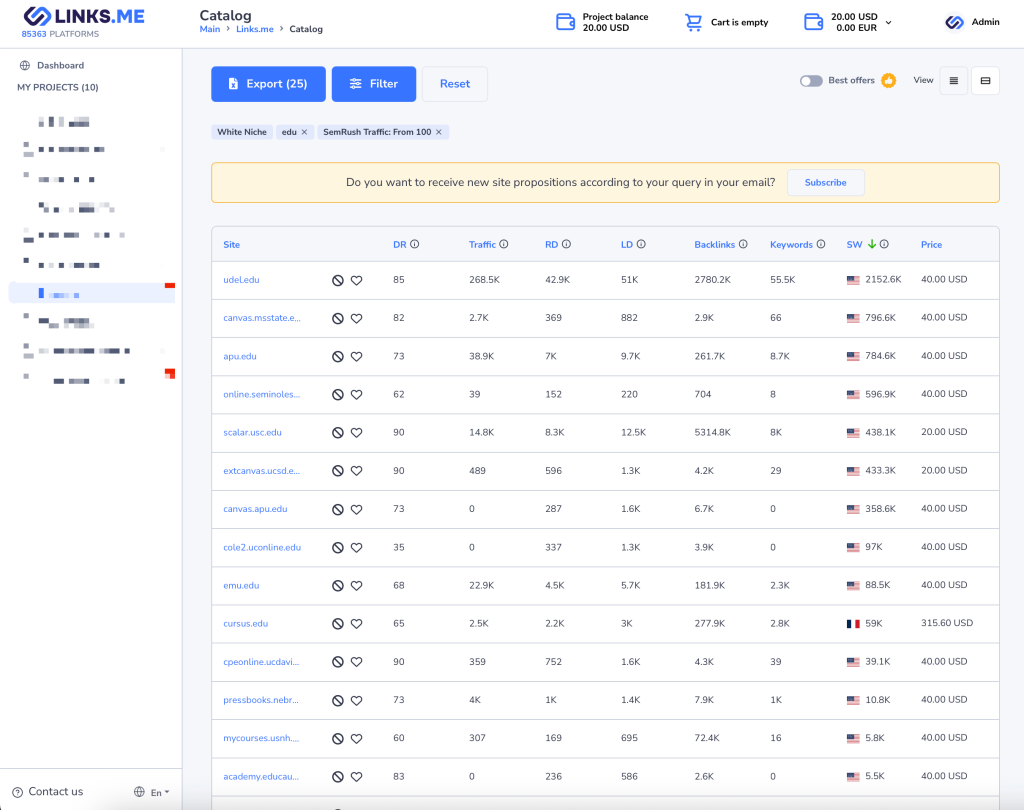
Buying links is easy. Buying trust is impossible. That’s why the best EDU link building starts with manual outreach, not shortcuts. Reliable platforms connect you with editors, webmasters, and university site managers who review each request by hand. If you see listings like bulk EDU links for sale, skip them — those are automated farms, not partnerships.
Look for vendors who guarantee contextual placement and transparency. A clean EDU backlink should come from a resource page, internship listing, or research collaboration, not a random “student blog.” Choose partners who show you real examples, explain their process, and focus on earning dofollow EDU backlinks from active, indexed pages.
Trustworthy outreach takes longer, but every approved placement lasts for years and keeps your brand safe from penalties. It’s quality over speed, always.
2. Resource Page Outreach
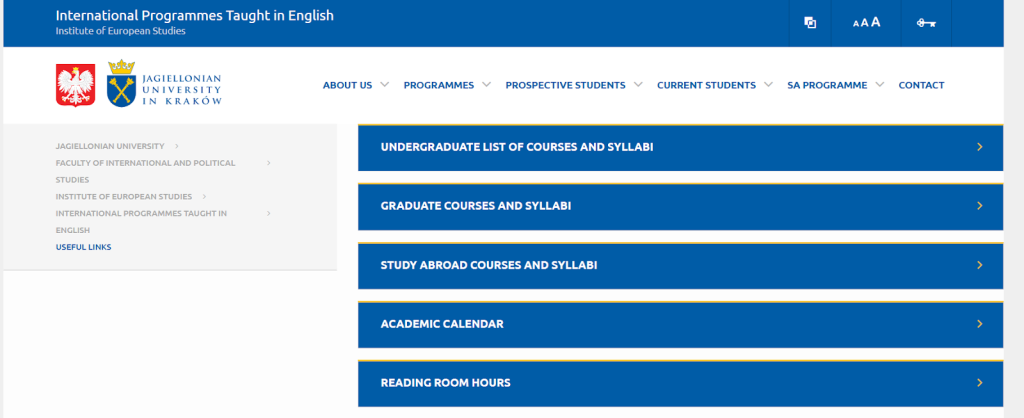
Universities maintain public “Resources,” “Career Tools,” and “Useful Links” pages. That’s where you belong if your product helps students or teachers. The key is relevance — your link must make the curator’s job easier.
To find opportunities, search Google for queries like “site:.edu inurl:resources [your niche].” That’s how to uncover sites with genuine authority. Offer something valuable, reach out personally, and explain the benefit. That’s how to get EDU backlinks without triggering filters or sounding transactional.
After approval, track your progress. Even one placement can drive steady referral traffic and build brand reputation across academia. If you can get EDU backlinks from pages used in actual course materials, even better.
3. Internships and Career Pages
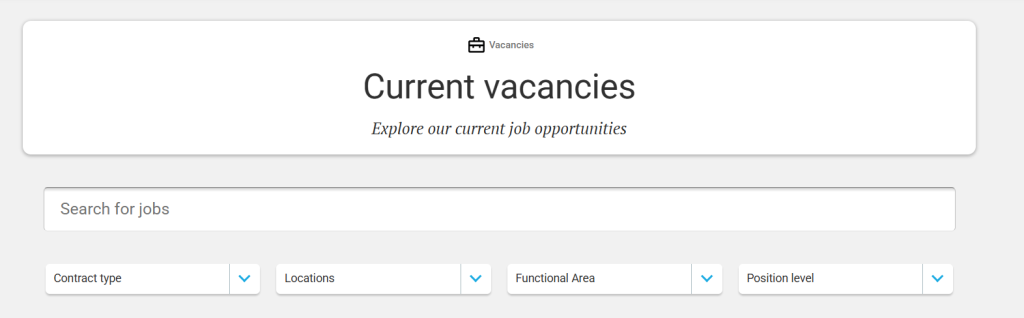
EdTech companies can attract dofollow EDU links simply by hiring. Post internships, research roles, or graduate programs on your careers page. Then, reach out to student job boards or university career centers. They regularly list external openings and link directly to the employer’s site.
These are natural, white-hat opportunities. You can also find EDU backlinks by studying where your competitors’ career posts appear. It’s a sustainable model: the school helps its students; you gain visibility; no one bends the rules.
4. Student Discounts, Free Access, and Faculty Tools
Offering real value builds trust faster than any pitch. Create a landing page for student or faculty offers and let universities know. Pages like “student discounts” or “free software” are perfect targets.
Students love open access; departments appreciate simplicity. Use free trials, limited accounts, or academic licensing to attract links naturally. You’ll find EDU backlinks faster when schools start recommending your service directly.

5. Faculty Collaborations and Student Media
Partnerships outperform cold emails. Guest lectures, co-authored case studies, or data-sharing projects often lead to editorial mentions.
Contribute insights, offer statistics, or help with digital events — anything of real use. In turn, campus newspapers or research labs might feature your company. That’s how to make EDU backlinks that survive algorithm updates and prove real authority.
If you’re getting EDU backlinks from publications or faculty blogs, maintain the relationship. Future collaborations might generate additional coverage. Knowing how to get EDU links is less about tactics and more about consistency.
When possible, expand outreach to research archives or event summaries. These placements last. Even better, you can get .EDU links through broken-link outreach — find a missing resource, suggest yours, and help them update their page. It’s efficient and respectful.
Common Mistakes and Black-Hat Risks
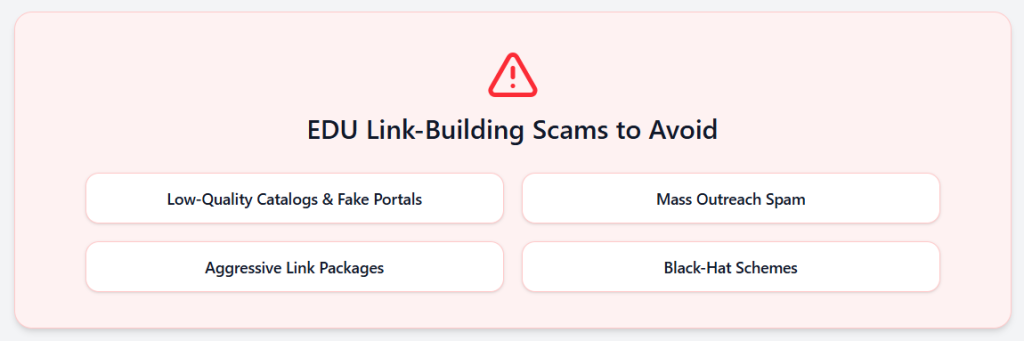
EDU link building can attract scams because demand is high and verification is tricky. Recognizing warning signs early saves both ranking and reputation.
Avoid these traps:
- Low-quality catalogs and fake portals. Many paid EDU back links come from cloned “student resource” pages with no indexing or traffic — some even hide malware.
- Mass outreach spam. Generic templates sent to hundreds of departments rarely succeed. Tailored, relevant messages work; bulk mailers damage credibility.
- Aggressive link packages. Agencies selling backlink EDU bundles like “100 .edu links in one week” usually use hacked blogs or link farms.
- Black-hat schemes. Automated EDU links for SEO, fake scholarship pages, or injected profile links might deliver fast numbers but trigger algorithmic penalties.
If it’s effortless, it’s dangerous. Ethical outreach takes time but leaves you with sustainable authority and lasting trust.
Conclusion
Strong SEO for EdTech is built exclusively on trust. A single genuine partnership with a university outweighs dozens of synthetic placements. Every successful EDU link building campaign starts with real value — useful tools, research, or opportunities for students.Focus on creating bridges. When your content serves academia, EDU links appear naturally. Earn them, keep them relevant, and they’ll anchor your visibility for years to come.
 ChatGPT
 Perplexity
 Claude
 Google AI Mode
 Grok
Grok