Sign Up


This article explains how skyscraper SEO link building fits into a modern acquisition strategy, what factors matter for decision-makers, and how to apply the skyscraper technique link building model in practice. You’ll see a definition, a short operational process, and ten practical approaches that improve link quality and make outreach more efficient.
What Is the Skyscraper Technique?
The method is simple: find a page that already earns strong links, build a clearly superior version, and offer it as a safer, more useful reference.
The skyscraper technique works because editors prefer accurate, updated material over outdated sources. It’s a targeted, research-driven process built around real content gaps and practical editorial needs. The structure is lean, predictable, and easy to integrate into an existing link acquisition workflow.
How to Use the Method Today
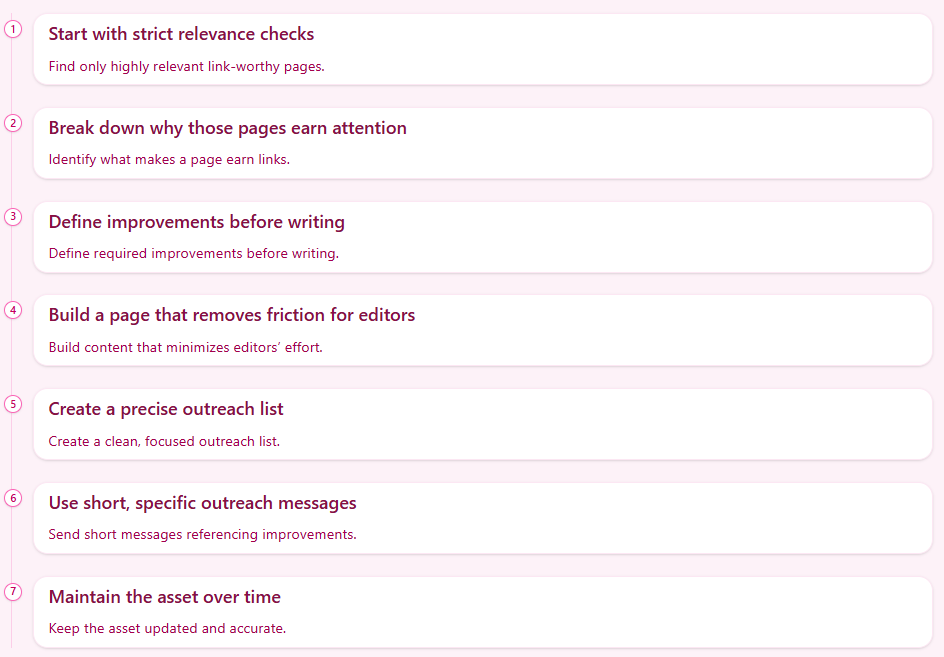
- Start with strict relevance checks. Locate pages that attract real links and sit directly in your industry lane. Skip anything broad or adjacent. Relevance determines whether your skyscraper SEO technique will convert, so treat this step as the gatekeeper.
- Break down why those pages earn attention. Look past rankings and focus on what editors cite. It might be fresh numbers, a clean comparison table, a clear explanation, or simply a well-organized structure. Identify the exact elements that make the page worth referencing. Those insights will shape your upgrade.
- Define the improvements before writing anything. Outline what your version must fix or enhance. Sometimes, the gaps are obvious — outdated data, missing examples, weak formatting. Sometimes, they’re subtle — unclear logic or slow readability. Turning these findings into a requirements list keeps the final asset sharp.
- Build a page that removes friction for editors. Editors need accuracy, clarity, and current information. Offer all three in your skyscraper SEO content. Use clean structure, recent data, and verifiable references. Avoid wordcount padding. A page that reduces their verification time has a much higher chance of replacing the old source.
- Create a precise outreach list. Pull only the domains linking to the original resources, then filter aggressively. Remove irrelevant blogs, low-activity sites, and pages with no editorial upkeep. A focused list outperforms a large generic one.
- Use short, specific outreach messages. Refer directly to the section or data point you’ve improved. Keep the ask simple. Make the value obvious. Editors respond when your message helps them maintain accuracy with minimal effort.
- Maintain the asset. Update numbers, replace weak citations, and refresh visuals as needed. A well-maintained page continues to attract skyscraper backlinks opportunities long after launch.
10 Practical Skyscraper Approaches for Blog Backlinks
Below are ten practical methods that help teams improve outreach results and raise the quality of earned links. Each technique relies on clear editorial priorities and turns the skyscraper method into a predictable acquisition process.
1. Data Refresh Upgrade
Teams often overlook data decay, yet outdated facts are one of the fastest ways to lose editorial trust. Replace old charts, update numbers, and clarify implications. A simple refresh outperforms competitors that still rank with numbers from three years ago. This kind of skyscraper content offers editors a cleaner alternative and solves a real risk on their side: citing obsolete information.

2. Expanded Scope Without Bloat
Some pages earn skyscraper backlinks because they cover a topic superficially but remain incomplete. You can outperform them by expanding the scope with real subtopics and structured insights. Avoid filler. Editors prefer a page that saves them time, not one that wastes it.
3. Visual Superiority for Editors Who Need Clarity
Some articles attract links because the visuals are quick to understand. That makes them convenient to reference. You can outperform those assets by producing clearer tables, sharper diagrams, or compact comparison matrices. Editors appreciate visual objects that reduce their writing time. A single strong figure can justify a link more effectively than paragraphs of text.
4. A Definitive Guide Built for Busy Teams
Another reliable sky scraper method is turning fragmented information into one operational guide. Keep it structured and direct. Teams link to these guides because they consolidate multiple sources into one predictable reference. The value is practical: an editor can maintain accuracy with a single outbound link instead of juggling several partial ones. Precision becomes a reason to prefer your page.
5. Counter-Positioning Based on Updated Logic
Some high-ranking pages still rely on outdated frameworks. Instead of replicating them, you can challenge those frameworks with a clearer or more current model. This is counter-positioning without manufacturing conflict. Blogs often reference both sides of a revised argument to show neutrality, which increases the likelihood of earning a link with skyscraper SEO.
6. Authority Layering With Vetted Sources
Editors want verifiable information. You can strengthen your page by blending first-party insights with validated external studies. Keep citations clean and credible. This layered approach in the skyscraper technique positions your content as the safest reference in the category. With reduced fact-checking overhead, editors often choose the option that minimizes their risk.
7. Benchmarking and Comparative Structure
Comparison pages attract recurring links when they’re maintained well. Build benchmarking tables that highlight differences, trade-offs, and decision criteria. Avoid subjective terms; clarity is what editors want. When teams update the tables regularly, the resource stays stable. Links accumulate naturally because the page becomes a default citation point.
8. Case-Focused Execution Examples
Case-driven content performs well because editors often search for concrete examples to support their points. Use real numbers and short timelines in your skyscraper content technique. Keep each case tight, factual, and relevant to the topic. By giving clear context, you turn your page into a source that carries operational weight rather than abstract commentary. These examples shorten the research time for other writers, which increases link probability.
9. Operational Checklists and Playbooks
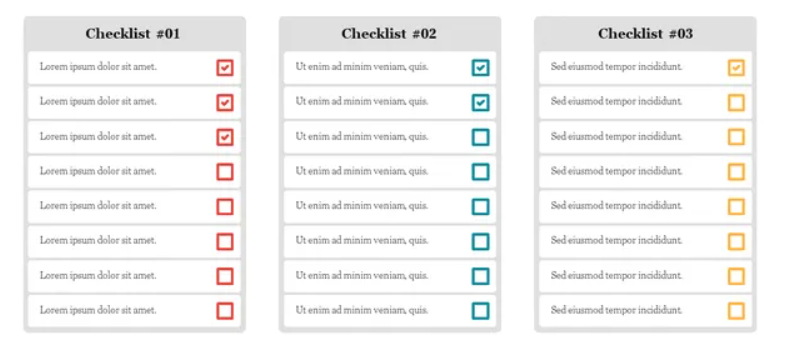
Some readers prefer an actionable structure instead of a narrative. A checklist helps them execute faster. Build short, specific playbooks that break down tasks into clear steps. These assets attract links because they eliminate the guesswork that other articles introduce. They also help your outreach: a checklist is easy to pitch and easy for editors to validate.
10. Aggregated Intelligence for Teams That Need One Page, Not Ten
Writers often compile information from dozens of fragmented sources. You can eliminate that overhead. Combine insights from multiple credible references, synthesize them, and surface only the elements that matter to practitioners. This creates a “one-tab reference” that is extremely convenient for editors. Convenience drives adoption; it also drives skyscraper backlinks.
Common Skyscraper Pitfalls to Avoid
Skyscraping SEO often fails for operational reasons rather than content quality. Most issues are predictable and easy to eliminate when teams follow a tighter process.
- Overproduction: long pages add no value unless they remove ambiguity.
- Templated outreach: patterns get filtered instantly, reducing response rates.
- Weak targeting: domains outside the topic area rarely convert.
- Aggressive positioning: editors prefer neutral, factual requests.
- Low verification safety: unclear sources or outdated data discourage link updates.
Letting relevance and clarity drive decisions keeps the skyscraper SEO campaign stable and low-risk.
Conclusion
The skyscraper method remains effective when teams treat it as a structured process rather than a shortcut. High-performing executions share the same traits: strong research, meaningful upgrades, and focused targeting. When these elements align, acquiring links from blogs becomes more predictable and less dependent on constant paid placements. Leaders gain a repeatable framework that improves the average quality of acquired backlinks and stabilizes the long-term cost of growth.
 ChatGPT
 Perplexity
 Claude
 Google AI Mode
 Grok
Grok